


Navigating the World: The Art and Science of Wayfinding and Directional Signage Principles
In an increasingly complex world, the ability to navigate our surroundings is more essential than ever. Whether traversing the bustling corridors of an airport, exploring a sprawling university campus, or simply finding the right storefront in a busy shopping district, effective wayfinding and directional signage serve as invisible guides, shaping our experiences and influencing our journeys. This article delves into the fundamental principles of wayfinding and directional signage, exploring how thoughtful design can transform confusion into clarity, and chaos into calm. By understanding the intersection of psychology, design, and usability, we can uncover the secrets behind effective navigation systems that cater to diverse populations and environments. Join us as we navigate the intricacies of wayfinding, illuminating the principles that make our pathways clearer and our travels more intuitive.
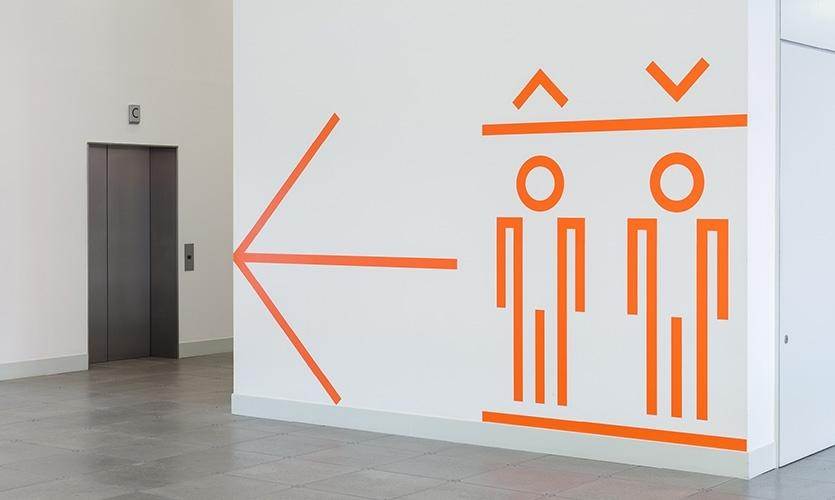
Exploring the Essence of Wayfinding Design
Wayfinding design is an intricate dance of art and functionality that transcends mere navigation; it fosters a sense of place, guiding individuals through complex environments with grace. Central to this practice is the understanding of human cognition and behavior, which informs the creation of effective visual cues. The essence of wayfinding lies in the ability to establish a clear narrative, enabling users to comprehend their surroundings and make informed decisions. Key elements include:
- Clarity: Use straightforward language and symbols that resonate with diverse audiences.
- Consistency: Maintain uniformity in signage style to promote recognition and trust.
- Hierarchy: Prioritize information to guide users seamlessly from point A to point B.
Another crucial aspect involves engaging multiple senses to enhance spatial awareness. By integrating color, texture, and light, designers can craft a cohesive experience that promotes exploration and discovery. Moreover, the strategic placement of signs can significantly influence flow and accessibility, creating natural pathways for movement. Consider the following criteria when evaluating design effectiveness:
| Criterion | Description |
|---|---|
| Visibility | Ensure signs are easily seen from various distances and angles. |
| Legibility | Choose appropriate fonts and sizes for diverse reading abilities. |
| Information Load | Limit textual complexity to prevent overwhelming users. |
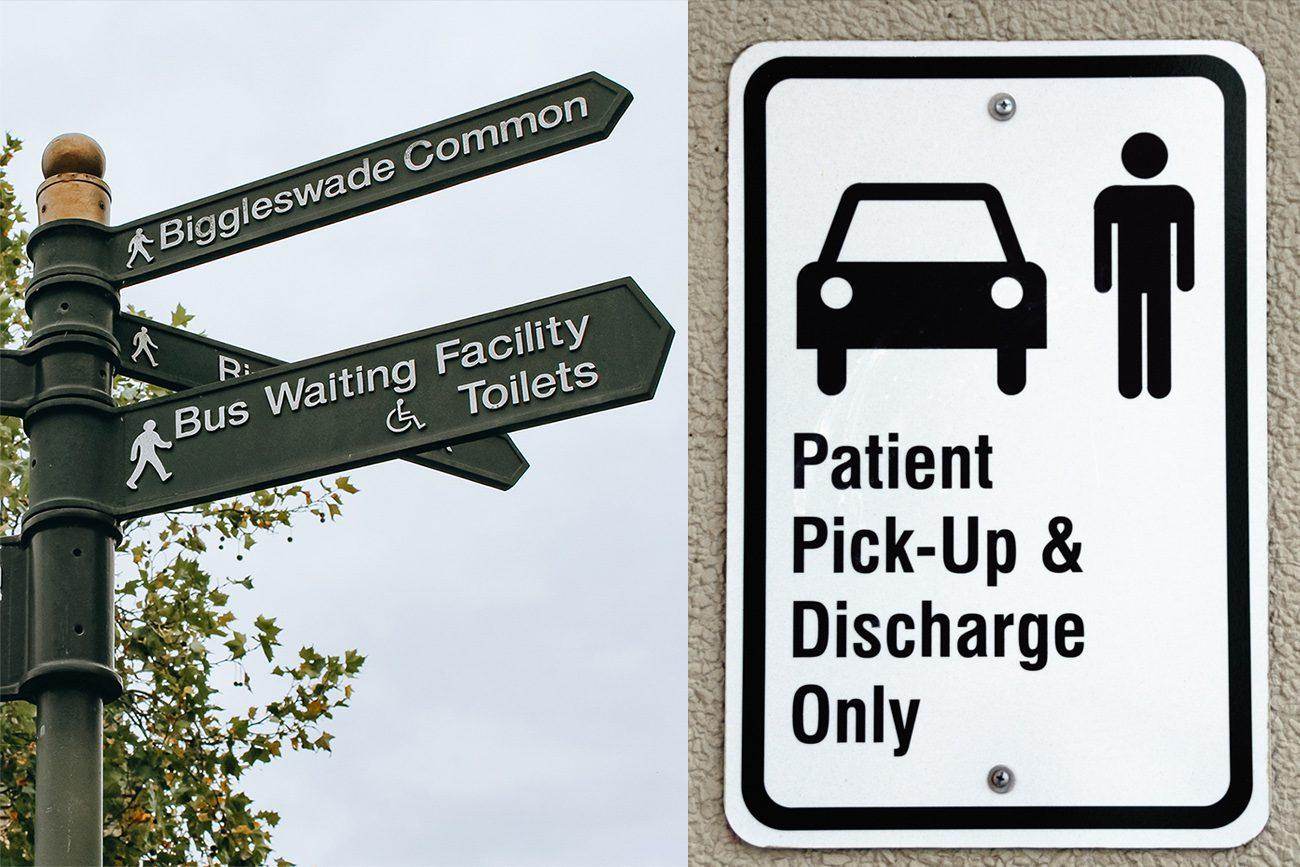
Crafting Clarity Through Effective Signage
Effective signage plays a crucial role in guiding individuals through complex environments, transforming uncertainty into smooth navigation. The essence of good wayfinding lies in its ability to communicate information clearly and concisely, allowing users to make informed decisions with ease. A well-designed signage system incorporates bold visuals, simple typography, and colors that enhance visibility while remaining consistent with the overall aesthetic of the space. When creating directional signage, consider the following principles:
- Hierarchy of Information: Prioritize information based on its importance, leading the viewer’s eye from general to specific.
- Predictable Layouts: Create a consistent pattern for signage positioning, making it easier for users to anticipate where to look next.
- Universal Symbols: Utilize easily recognizable icons to transcend language barriers, ensuring inclusivity.
The effectiveness of wayfinding solutions can also be evaluated through a structured approach, like the table below, which outlines various sign types and their intended purpose:
| Sign Type | Purpose |
|---|---|
| Informational Signs | Provide essential details such as operating hours and facility rules. |
| Directionals | Guide users to specific locations within a space. |
| Identification Signs | Indicate the names of spaces or rooms, helping with location recognition. |
Enhancing User Experience with Strategic Placement
Effective wayfinding and directional signage hinges on the strategic placement of elements to guide users seamlessly through physical spaces. Consider the key locations where these signs should be positioned for maximum visibility and usability, such as near decision-making points, at eye level, and in alignment with natural sightlines. Signs placed too high or in unexpected spots can lead to confusion, so optimizing their locations ensures that users stay on track and encounter minimal obstacles. Engaging users’ senses through carefully selected colors, fonts, and symbols not only enhances the aesthetic appeal but also reinforces cognitive processing, making the signage more intuitive.
Another critical aspect is the consistency of design across all signage. Uniformity in style, size, and symbols aids recognition and fosters a sense of reliability in the wayfinding system. Using a combination of visual aids and text effectively bridges communication gaps, accommodating various user needs. To illustrate, below is a simple table that delineates effective sign characteristics and their corresponding user benefits:
| Sign Characteristic | User Benefit |
|---|---|
| High Visibility | Reduces search time and confusion |
| Clear Symbols | Enhances comprehension for diverse audiences |
| Consistent Color Scheme | Promotes easy navigation and recognition |
In Summary
As we draw the curtains on our exploration of wayfinding and directional signage principles, it’s clear that the art of guiding people goes beyond mere arrows and icons. Effective wayfinding is an intricate dance of design, psychology, and utility, crafting experiences that transform confusion into clarity. As cities expand and environments evolve, the need for intuitive pathways remains paramount.
By prioritizing the user experience and integrating thoughtful design elements, we can create navigational systems that not only inform but inspire confidence and ease. As you venture into your own projects, consider how each sign, each symbol, can enhance the journey and craft a narrative that invites exploration. With the principles we’ve discussed, you hold the tools to forge connections and navigate the unfolding stories of the spaces we occupy. Happy wayfinding!
Applying this guide to a real exterior building signage project
This guide becomes more useful when its advice is connected to a real project decision. A reader moving from the topic above into a purchase or planning conversation should define the intended result, the setting, the artwork or information available, and any practical constraints before requesting a recommendation.
For the service-level framework behind that decision, review exterior building signage. It is the commercial owner for this next step, while this article remains the supporting educational resource.
