




In a world bustling with constant movement and sensory overload, the power of a simple sign can often go unnoticed. Yet, these unassuming markers serve as vital navigational aids, guiding us through the complexities of our surroundings. From the humble road sign that directs traffic to the vibrant storefront display that beckons customers inside, the visibility of these signs plays a crucial role in communication and safety. This article delves into the multifaceted importance of sign visibility, exploring how effective signage can not only enhance our daily experiences but also contribute to the overall functionality of public spaces. Join us as we uncover the subtleties and significance of signs that illuminate our path, literally and metaphorically.

Enhancing Brand Recognition Through Effective Signage
Effective signage is crucial for businesses striving to enhance their brand recognition in a bustling marketplace. Visibility is key; if your signs are difficult to read or see, they won’t serve their purpose. Well-designed signs can capture attention, convey messages, and build credibility. To improve visibility, consider the following aspects:
- Contrast and Color: Use bold and contrasting colors to ensure your sign stands out against its background.
- Font Type and Size: Opt for clear, legible fonts in a size that can be read from a distance.
- Location: Position your signage where it can be easily noticed by potential customers.
Additionally, diverse types of signage can contribute to a unified brand image. Utilizing a mix of indoor and outdoor signs, illuminated displays, and digital formats can further enhance your brand’s presence. Compare the effectiveness of different signage types in the table below:
| Signage Type | Advantages | Ideal Use |
|---|---|---|
| Billboards | High visibility, wide reach | Outdoor traffic areas |
| Window Decals | Cost-effective, attractive | Storefronts |
| Digital Signage | Dynamic content, engaging | High foot traffic areas |
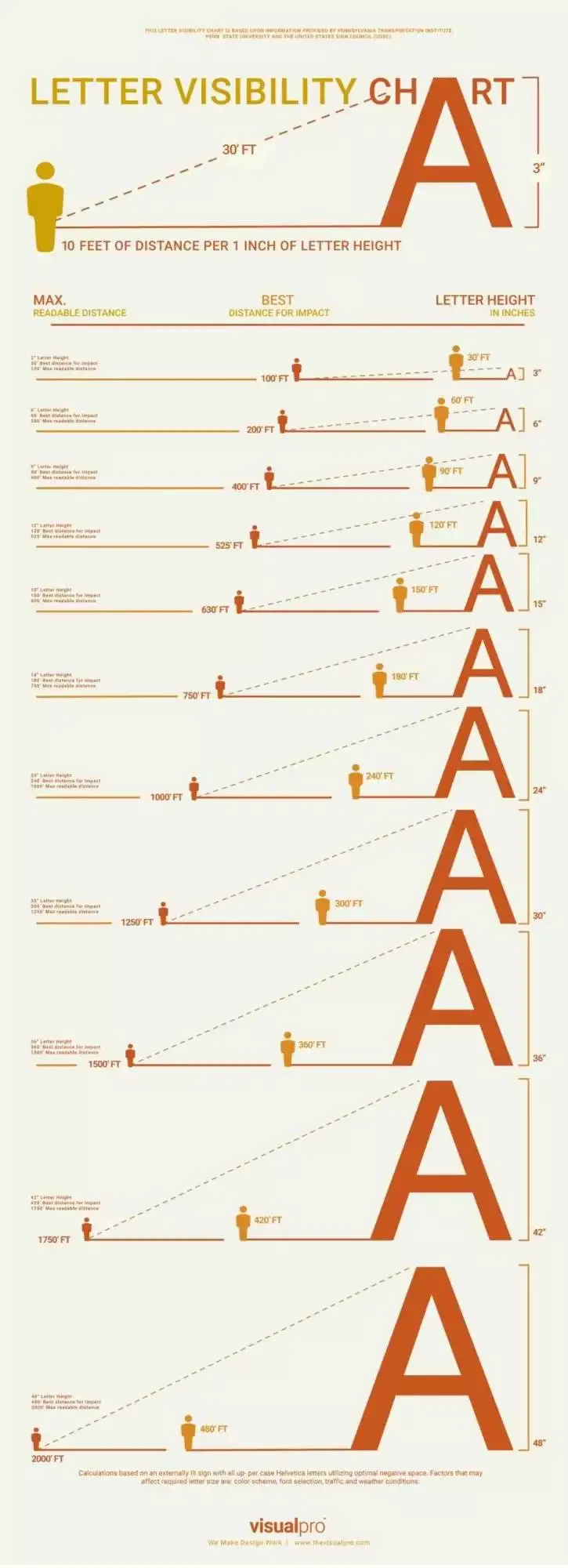
Navigating Regulations and Best Practices for Optimal Sign Placement
- Permitting: Research whether a permit is required for installation.
- Height and Size: Adhere to the specified dimensions to maintain visibility and safety.
- Location Restrictions: Be mindful of designated zones—certain areas may have specific sign regulations.
- Illumination: If using illuminated signs, ensure compliance with light pollution guidelines.
In addition to adherence to regulations, employing best practices in sign placement can significantly enhance visibility and effectiveness. While creativity plays a role, a structured approach ensures your sign captures attention without overwhelming the viewer. Consider the following strategies:
- Clear Messaging: Keep text concise; visitors should grasp essential information at a glance.
- Optimal Positioning: Position signs at eye level and in direct line of sight, particularly at decision points.
- Consistent Branding: Use uniform colors and fonts that reflect your brand identity across all signs.
- Routine Maintenance: Regularly check and refresh signs to prevent fading or obstructions.
| Sign Element | Importance |
|---|---|
| Color Contrast | Enhances readability from a distance. |
| Font Choice | Affects clarity and brand perception. |
| Lighting | Ensures visibility during nighttime. |
Leveraging Technology to Boost Sign Visibility and Engagement
In today’s fast-paced world, capturing attention is more crucial than ever. One way to enhance sign visibility is through the integration of digital signage technology. By utilizing vibrant displays that can be easily updated, businesses can showcase real-time information, promotions, and engaging visuals that draw customers in. The flexibility of digital sign solutions empowers organizations to tailor messages based on time, audience, or event, making it easier to connect with passersby and increase engagement.
Moreover, implementing interactive elements can take sign visibility a step further. Touchscreens or signs with QR codes invite viewers to engage directly, transforming passive observers into active participants. Businesses can also leverage data analytics to determine what messages resonate most, allowing for constant refinement and targeted campaigns. Below is a simple comparison of traditional and digital signage benefits:
| Feature | Traditional Signage | Digital Signage |
|---|---|---|
| Content Change Frequency | Static | Real-time |
| Visual Appeal | Limited | Dynamic |
| Engagement Opportunities | Low | High |
Concluding Remarks
the significance of sign visibility extends far beyond aesthetic appeal; it serves as a vital conduit between our environment and our daily actions. Whether guiding a lost traveler to their destination or ensuring safety in bustling urban centers, clear and accessible signage forms a crucial part of our navigational experience. As we continue to build and design our surroundings, let us not underestimate the power of visibility—where clarity reigns, confusion fades, and communication flourishes. By prioritizing legibility, placement, and overall design, we create spaces that are not only functional but also welcoming. In a world constantly on the move, let every sign speak with clarity and purpose, guiding us all towards a more informed tomorrow.
