


Electrical signs are everywhere in Florida, lighting up storefronts and cityscapes every night. If you are not in Florida, no problem these are general rules but do confirm with your local laws. But while most people focus on eye-catching designs, they miss a hidden layer of complexity. Florida’s signage rules are some of the strictest around, and the National Electrical Code gets updated every three years, impacting thousands of businesses each cycle. You might think compliance is all about paperwork and permits, but the real challenge is keeping your signs safe and legal amid ever-changing rules no matter where you set up shop.
Table of Contents
- Key electrical codes for signs in florida
- Permit and inspection process for new signage
- Common installation mistakes and how to avoid them
- Regional differences: special rules in miami, doral, and south florida
Quick Summary
| Takeaway | Explanation |
|---|---|
| Adhere to Florida’s NEC regulations | Follow the National Electrical Code for safe signage installation, focusing on wiring, grounding, and labeling. |
| Obtain necessary permits before installation | Secure all required permits and submit detailed plans to comply with local regulations and avoid penalties. |
| Conduct thorough inspections at various stages | Ensure all installations are inspected pre- and post-completion to guarantee compliance with safety standards. |
| Understand specific regional requirements | Local regulations vary, especially in Miami and Doral. Stay informed of unique codes that pertain to your area. |
| Prioritize ongoing maintenance and compliance | Regularly assess signage to meet codes, address issues early, and ensure continued safety throughout operation. |
Key Electrical Codes for Signs in Florida

Electrical requirements for signs in Florida represent a critical framework of safety and compliance that businesses must carefully navigate. The state’s electrical codes are designed to ensure the safe installation, operation, and maintenance of electrical signage across various environments.
Understanding Florida’s Electrical Sign Regulations
Florida adopts the National Electrical Code (NEC) as the foundation for its electrical sign requirements. This comprehensive set of standards governs everything from wiring methods to disconnection procedures for electrical signs. The regulations are particularly stringent in Florida due to the state’s unique environmental challenges, including high humidity, salt air, and potential hurricane conditions.
Key electrical code requirements focus on several critical areas. First, all electrical signs must be properly grounded and bonded to prevent electrical hazards. This means implementing robust grounding systems that protect against potential electrical surges and minimize the risk of electrical shock. Signs must also have dedicated electrical circuits that can handle the specific power requirements of the sign, preventing overloads and potential electrical failures.
Installation and Safety Compliance
Professional sign installation in Florida demands meticulous attention to electrical codes. Every electrical sign must be installed with a clearly accessible disconnect switch, allowing for immediate power cutoff in emergency situations. The disconnect must be clearly labeled and located within sight of the sign, ensuring quick and safe power management.
Additionally, signs must meet specific listing and labeling requirements. This means they must be certified by recognized testing organizations like Underwriters Laboratories (UL) or equivalent agencies. These certifications verify that the sign meets rigorous safety standards and can withstand Florida’s challenging environmental conditions.
The electrical requirements extend beyond just the sign itself. Wiring methods must comply with specific guidelines, including proper conduit protection, weather-resistant materials, and precise installation techniques. Signs exposed to outdoor environments require additional protective measures to prevent water intrusion and electrical complications.
Permit and Inspection Requirements
Compliance with electrical codes is not just about installation. Florida mandates comprehensive permitting and inspection processes for electrical signs. Businesses must obtain proper electrical permits before installation, and signs are subject to detailed inspections to ensure they meet all safety and code requirements. Learn more about local signage regulations to ensure full compliance.
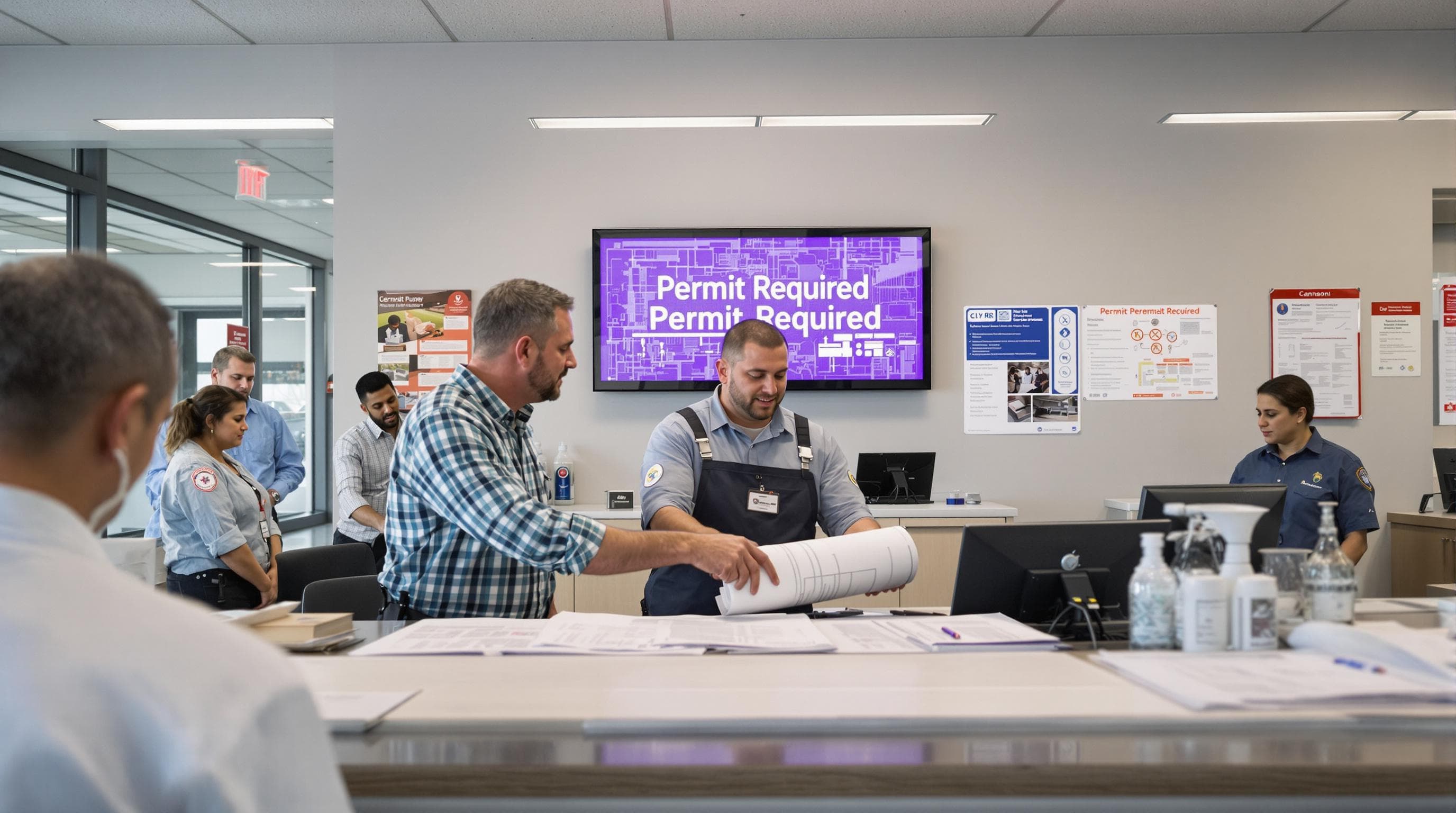
Business owners and sign professionals must stay updated on the latest electrical code revisions. The NEC is typically updated every three years, with Florida adopting these updates to reflect the most current safety standards. This means ongoing education and awareness are crucial for maintaining compliant electrical signage.
Understanding and implementing these electrical requirements is not just about meeting legal obligations. It’s about ensuring the safety of employees, customers, and property. Proper electrical sign installation protects against potential electrical hazards, reduces the risk of fire, and demonstrates a commitment to professional and responsible business practices.
Whether you’re installing a small storefront sign or a large commercial display, adherence to Florida’s electrical codes is non-negotiable. Professional sign companies specializing in electrical sign installations can help navigate these complex requirements, ensuring your signage is both visually impressive and electrically safe.
Permit and Inspection Process for New Signage
The permit and inspection process for new signage represents a critical pathway to ensuring electrical safety, regulatory compliance, and professional installation. Business owners and sign professionals must navigate a structured sequence of steps to successfully obtain approval for their electrical signage projects.
Initial Permit Application Requirements
Obtaining a permit for electrical signage begins with comprehensive documentation and detailed planning. Businesses must submit precise electrical drawings that outline the sign’s specifications, electrical load requirements, mounting details, and complete installation methodology. These plans must demonstrate compliance with local building codes, electrical standards, and zoning regulations.
The permit application typically requires several key documents. These include detailed electrical schematics, site plans showing the exact sign location, manufacturer specifications for the sign and its electrical components, and proof of electrical load calculations. Explore local signage permit guidelines to understand the specific documentation needed for your project.
Each jurisdiction may have unique requirements, but most demand comprehensive information about the sign’s electrical system. This includes the type of electrical connection, anticipated power consumption, grounding methods, and protective measures against environmental factors. Professional sign companies often assist businesses in preparing these detailed submissions to ensure accuracy and compliance.
Inspection Stages and Requirements
The inspection process for electrical signage involves multiple critical stages. Initially, a pre-installation review examines the submitted plans and documentation. Once approved, the first physical inspection occurs during the rough electrical installation, before any final connections or coverings are completed.
Inspectors carefully evaluate several key aspects during these reviews. They check the integrity of electrical conduits, verify proper grounding techniques, confirm appropriate wire sizing, and ensure all electrical components meet current safety standards. The inspection process looks for potential hazards such as improper wire routing, inadequate weather protection, or non-compliant electrical connections.
A final inspection occurs after complete installation, where inspectors perform a comprehensive review of the entire electrical sign system. This includes testing electrical connections, verifying proper functioning of disconnect switches, and confirming that all safety requirements have been met. Signs must pass this final inspection to receive official approval for operation.
Compliance and Ongoing Maintenance
Successful permit and inspection processes extend beyond initial installation. Businesses must maintain ongoing compliance with electrical codes and local regulations. This means periodic reviews, potential re-inspections, and keeping documentation current with any modifications or updates to the electrical sign system.
Professional sign companies understand the complexity of these requirements. They provide critical support in navigating the permit and inspection landscape, helping businesses avoid potential legal complications or safety risks. The process demands attention to detail, thorough documentation, and a commitment to meeting rigorous electrical safety standards.
Business owners should view the permit and inspection process not as a bureaucratic hurdle, but as a crucial safety mechanism. These requirements protect businesses, employees, and the public by ensuring that electrical signage meets the highest standards of electrical safety and professional installation.
Whether you’re installing a small storefront sign or a large commercial display, understanding and successfully completing the permit and inspection process is essential. It represents a critical step in creating safe, compliant, and professionally installed electrical signage that meets all regulatory requirements.
To help clarify the steps described above, here is a table outlining the typical stages of the permit and inspection process for new electrical signage:
| Stage | Description |
|---|---|
| Pre-Installation Plan Review | Examination of submitted plans and documentation for compliance with codes and regulations |
| Permit Application Submission | Submission of drawings, specs, load calculations, and site plans to local authorities |
| Rough Electrical Inspection | Inspection during installation to check conduits, grounding, and proper wiring before finish work |
| Final Electrical Inspection | Comprehensive review after installation, including testing of connections and safety mechanisms |
| Compliance Documentation | Archiving of approval documents and records for ongoing maintenance and future reference |
Common Installation Mistakes and How to Avoid Them
Electrical sign installations present numerous potential pitfalls that can compromise safety, functionality, and regulatory compliance. Understanding these common mistakes is crucial for businesses and sign professionals seeking to create safe and effective electrical signage.
Electrical Wiring and Connectivity Errors
One of the most critical areas for potential mistakes involves electrical wiring and connectivity. Improper wire sizing represents a significant risk that can lead to electrical overloads, potential fire hazards, and system failures. Many sign installers underestimate the importance of matching wire gauge precisely to the electrical load requirements of the sign.
Grounding mistakes frequently occur during sign installations. Inadequate grounding can create substantial electrical safety risks, potentially exposing users to electrical shock or causing equipment damage. Professionals must ensure comprehensive bonding of metal sign components and implement robust grounding systems that meet current electrical code requirements.
Another common connectivity error involves incorrect placement of disconnect switches. These safety mechanisms must be clearly accessible, properly labeled, and positioned within direct sight of the sign. Learn about proper signage electrical requirements to understand the critical nature of these installation details.
Environmental and Structural Considerations
Environmental factors play a significant role in electrical sign installations, particularly in regions with challenging conditions like Florida. Signs exposed to humidity, salt air, and potential extreme weather require specialized protective measures. Installers frequently underestimate the need for weather-resistant materials, proper sealing, and additional environmental protection.
Structural mounting represents another critical area where mistakes commonly occur. Improper mounting can create electrical hazards, compromise sign stability, and potentially violate local building codes. Sign professionals must carefully evaluate mounting surfaces, use appropriate fastening techniques, and ensure that electrical conduits are properly protected and routed.
Ventilation and heat management are often overlooked during sign installations. Electrical components generate heat, and inadequate ventilation can lead to premature equipment failure. Installers must design sign systems with sufficient airflow and cooling mechanisms to prevent potential electrical complications.
Regulatory Compliance and Documentation
Regulatory compliance mistakes can create significant legal and safety risks for businesses. Many sign installers fail to maintain current documentation, missing critical updates to electrical codes and local regulations. Staying informed about the latest National Electrical Code revisions and local permitting requirements is essential.
Incomplete or inaccurate documentation represents another common compliance mistake. Permit applications require detailed electrical drawings, precise specifications, and comprehensive installation plans. Professional sign companies must meticulously prepare these documents to ensure successful regulatory approval.
Professionals should approach electrical sign installations with a comprehensive understanding of potential risks. This means conducting thorough pre-installation assessments, implementing rigorous quality control processes, and maintaining ongoing commitment to safety and compliance.
Ultimately, avoiding installation mistakes requires a combination of technical expertise, careful planning, and ongoing education. Businesses and sign professionals must prioritize safety, invest in proper training, and remain committed to understanding the evolving landscape of electrical sign installation requirements.
The mistakes described above can be summarized for easy reference in this checklist table:
| Common Mistake | Potential Consequence | How to Avoid |
|---|---|---|
| Improper wire sizing | Overloads, fire hazards, failures | Match wire to load |
| Inadequate grounding | Electrical shock, equipment damage | Follow code requirements |
| Incorrect disconnect switch placement | Safety hazard, delayed shutdown | Label & locate correctly |
| Insufficient weather/environmental protection | Water intrusion, corrosion, malfunctions | Use proper materials |
| Structural mounting errors | Instability, code violations | Use correct mounts |
| Poor ventilation/heat management | Equipment failure | Design for airflow |
| Incomplete/inaccurate documentation | Permit denials, legal risk | Prepare detailed docs |
| Not updating to latest codes | Non-compliance, fines, safety issues | Stay informed |
Regional Differences: Special Rules in Miami, Doral, and South Florida
South Florida presents a unique landscape of electrical sign regulations that vary significantly across different municipalities. Business owners and sign professionals must navigate a complex web of local requirements that extend beyond standard state electrical codes.
Miami’s Distinctive Sign Regulations
Miami stands out with particularly stringent electrical sign requirements driven by its unique urban environment and environmental challenges. The city mandates comprehensive electrical sign permit processes that go beyond standard state regulations. These requirements reflect Miami’s dense urban landscape, historic preservation considerations, and specific aesthetic guidelines.
Electrical sign installations in Miami must meet precise specifications for electrical load, mounting techniques, and visibility standards. Local regulations demand comprehensive documentation that details every aspect of the sign’s electrical system, including precise wiring schematics, power consumption calculations, and environmental protection measures. Explore detailed local signage guidelines to understand these intricate requirements.
The city implements strict review processes for electrical signs, particularly in historic districts and high-traffic commercial areas. Sign professionals must demonstrate how their installations will integrate seamlessly with existing urban infrastructure while meeting rigorous electrical safety standards. This includes detailed assessments of electrical load, potential environmental impacts, and compliance with local zoning restrictions.
Doral and Surrounding Area Specifics
Doral presents its own set of unique electrical sign regulations that reflect the city’s rapid commercial development. The local building department requires extensive documentation for electrical sign installations, with a particular focus on safety and structural integrity. Businesses must provide comprehensive electrical load calculations, detailed mounting plans, and proof of compliance with county-wide electrical standards.
Unique environmental considerations play a significant role in Doral’s sign regulations. The area’s proximity to coastal environments demands additional protective measures for electrical signage. This includes specialized weatherproofing requirements, corrosion-resistant materials, and enhanced electrical protection systems designed to withstand humidity, salt air, and potential extreme weather conditions.
Local contractors must navigate a complex permitting process that involves multiple municipal departments. This typically requires coordination between electrical inspectors, building officials, and zoning administrators to ensure complete compliance with all local regulations.
South Florida’s Comprehensive Electrical Requirements
South Florida as a region presents a multifaceted approach to electrical sign regulations that goes beyond individual municipal requirements. The area’s unique environmental challenges drive more comprehensive electrical safety standards. This includes enhanced requirements for electrical insulation, grounding systems, and protection against humidity and potential storm damage.
Business owners must be particularly attentive to the nuanced differences between local jurisdictions. What passes inspection in one municipality may require significant modifications in another. This complexity demands a thorough understanding of local electrical codes, zoning restrictions, and specific municipal requirements.
Professional sign installers operating in South Florida must maintain extensive knowledge of regional variations. This requires ongoing education, regular code updates, and a comprehensive approach to electrical sign installation that prioritizes safety, compliance, and local aesthetic considerations.
Ultimately, success in navigating South Florida’s electrical sign regulations requires a combination of technical expertise, local knowledge, and meticulous attention to detail. Businesses and sign professionals must approach each installation as a unique project, carefully considering the specific requirements of their local municipality.
Frequently Asked Questions
What are the electrical requirements for signs in Florida?
In Florida, electrical signs must comply with the National Electrical Code (NEC), which includes proper grounding, bonding, and the use of dedicated circuits to handle specific power requirements. Signs must also meet listing and labeling requirements from recognized testing organizations.
What permits are required for installing electrical signs in Florida?
Before installing electrical signs in Florida, businesses must obtain electrical permits that include detailed plans and specifications of the sign’s electrical system. This includes electrical schematics, site plans, and documentation of electrical load calculations.
What are the inspection requirements for electrical signs in Florida?
Electrical signs in Florida must undergo multiple inspection stages. This includes a pre-installation review, a rough electrical inspection during installation, and a final inspection after installation to ensure compliance with safety standards and local regulations.
How can businesses ensure compliance with evolving electrical codes in Florida?
Businesses can ensure compliance by staying updated on the latest revisions of the National Electrical Code and local regulations. Working with professional sign companies experienced in electrical installations can also help navigate these complex requirements.
Make Sure Your Signs Meet Florida’s 2025 Electrical Code – Partner with Experts You Can Trust
Complying with the newest electrical requirements for signs in Florida can feel overwhelming. Many business owners worry about permit delays, inspection failures, or costly installation mistakes when dealing with things like grounding, disconnect switches, or local inspection rules. Missing a detail in the National Electrical Code or local ordinances can put your investment and safety at risk.

Why risk noncompliance, wasted time, or unexpected issues? Choose Titans of Print, Miami’s trusted experts not only in sign production but also in permit pulling and flawless installation. Our team understands every step, from producing eye-catching LED or acrylic logo lobby signs to helping you pass even the toughest Miami or South Florida inspections. Get the guidance and quality you need—contact us today and secure a safer, simpler path to perfect signage.
Recommended
- Guide To Miami Beach Signage And Permit Requirements
- Signage And Permit Regulations In Miami-Dade County
- 3D Logo Interior Office Signage For Pembroke Pines, Florida Businessesi
- Office Lobby Signs For Port Saint Lucie, Florida Businesses
- Florida Event Lighting | Professional Design Solutions
- Food Safety Signs Required: Guide for Canadian Restaurants and Schools 2025 – Probe IT