



Every Miami marketing manager striving to stand out at trade shows quickly realizes the impact that sign materials have on audience attention and brand perception. In a market where visibility means business growth, choosing the right material turns a simple sign into a memorable brand asset. This guide highlights how innovative material options can help businesses thrive under South Florida’s climate while meeting local regulations, blending durability, style, and budget considerations for trade show success.
Table of Contents
- Sign Materials Defined And Their Importance
- Major Types Of Sign Materials Explained
- Comparing Durability, Style, And Lifespan
- Cost Factors And Budget Implications
- Regulations, Safety, And Miami Compliance
- Common Pitfalls And How To Avoid Them
Key Takeaways
| Point | Details |
|---|---|
| Material Selection is Critical | Choosing the right sign materials affects durability, visual impact, and cost-effectiveness. Evaluate weather resistance and maintenance needs for optimal performance. |
| Signs as Brand Assets | Signs serve as crucial communication tools that enhance brand identity and attract customers. Invest in high-quality materials to uphold professionalism. |
| Regulatory Compliance is Essential | Understand Miami-specific signage regulations to ensure compliance and avoid fines. Proactive consultation with permit specialists can streamline the design approval process. |
| Regular Maintenance is Vital | Schedule consistent inspections and maintenance to uphold sign quality and extend lifespan. Poor upkeep can lead to costly replacements and negatively impact brand perception. |
Sign Materials Defined and Their Importance
Signs are powerful communication tools that serve as visual ambassadors for businesses across South Florida. Material selection dramatically influences a sign’s effectiveness, brand perception, and long-term performance. From bustling Miami storefronts to professional office spaces in Doral, the right material can transform a simple sign into a compelling brand statement.
Understanding sign materials requires considering multiple critical factors:
- Durability: Withstanding harsh Florida weather conditions
- Visual Impact: Creating memorable brand impressions
- Cost-effectiveness: Balancing quality with budget constraints
- Environmental Suitability: Matching material to specific installation environment
Based on academic research, signs play a multifaceted role beyond mere identification. They function as critical communication channels that attract customers, provide wayfinding information, and represent organizational identity. Sustainable materials for building signs have become increasingly important for businesses seeking to minimize environmental impact while maintaining professional aesthetics.
Materials selection involves evaluating several key performance characteristics. Businesses must consider factors like UV resistance, flexibility, weight, and potential maintenance requirements. Acrylic, aluminum, wood, and digital print materials each offer unique advantages depending on the specific signage context.
Signs are not just informational tools – they are strategic brand assets that communicate professionalism, creativity, and organizational identity.
Pro tip: Always request material samples and conduct durability testing before finalizing your sign design to ensure optimal performance and longevity.
The following table summarizes how sign material choice impacts common business objectives:
| Objective | Ideal Material | Key Benefit |
|---|---|---|
| Maximizing Outdoor Longevity | Aluminum or Steel | Withstands Florida climate |
| Modern Corporate Branding | Acrylic or Glass | Sleek, upscale appearance |
| Budget-Focused Projects | PVC or Vinyl | Lowest initial investment |
| Eco-Friendly Practices | Sustainable Wood or Aluminum | Reduced environmental footprint |
| High-Detail Graphics | Acrylic or Vinyl | Crisp visuals, color clarity |
Major Types of Sign Materials Explained
Business signage represents a critical communication tool, with material selection playing a pivotal role in brand representation across South Florida. Material diversity offers unique opportunities for companies in Miami, Doral, and beyond to create distinctive visual identities that capture attention and communicate professionalism.
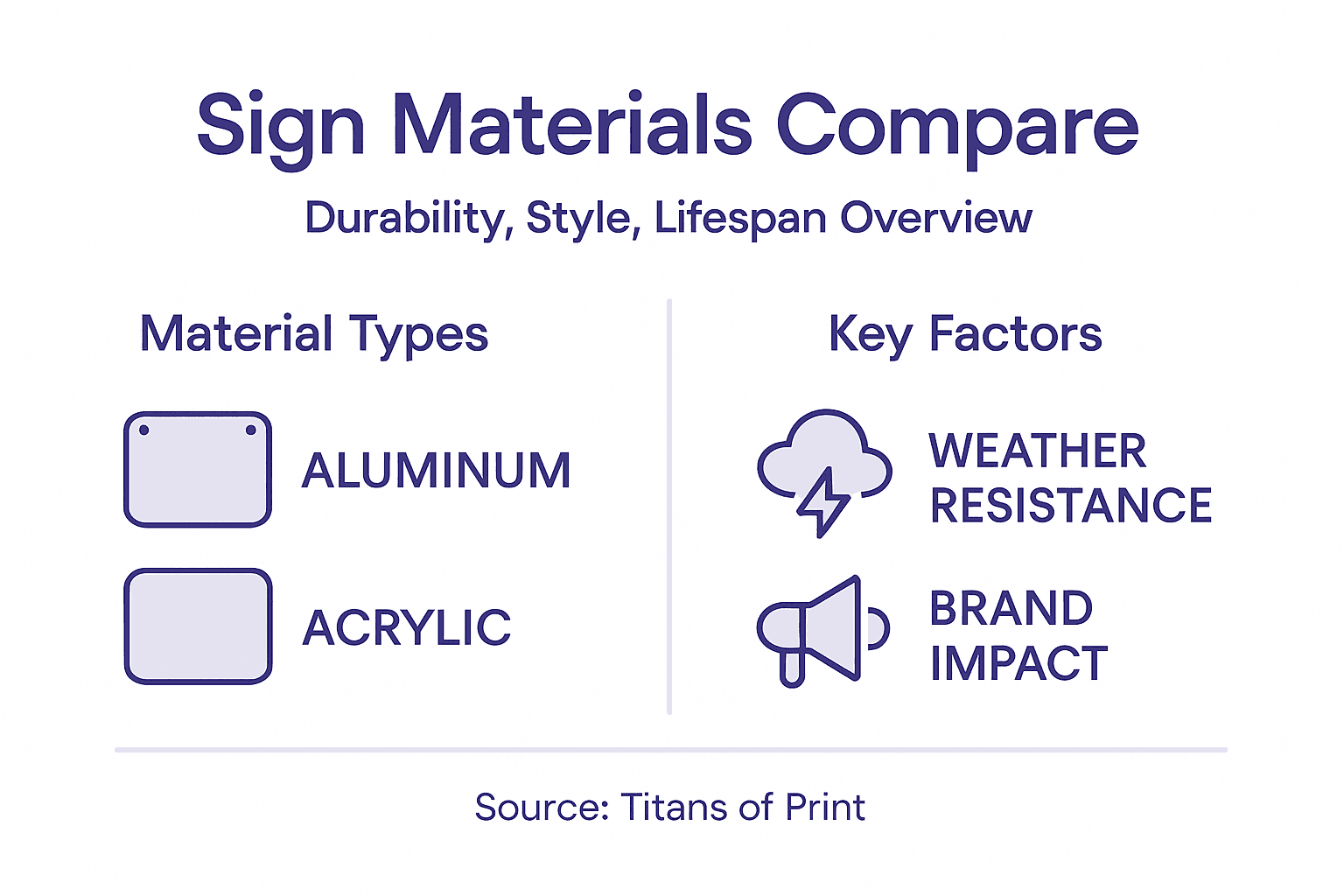
The most common sign materials each bring distinctive characteristics:
- Aluminum: Lightweight, corrosion-resistant, ideal for outdoor applications
- Acrylic: Offers sleek, modern appearance with excellent transparency
- PVC: Cost-effective solution for temporary or indoor signage
- Wood: Provides classic, rustic aesthetic with traditional appeal
- Steel: Extremely durable with strong structural integrity
- Glass: Delivers sophisticated, elegant visual presentation
- Vinyl: Versatile material for graphics and temporary signage
Elevate your office signs with the best sign material by understanding the unique properties of each substrate. Aluminum signs excel in outdoor environments, resisting corrosion and maintaining crisp graphics under intense Florida sunlight. Acrylic signs provide a polished, professional look perfect for indoor corporate environments, while wood signs offer warmth and traditional charm suitable for certain branding strategies.
Performance factors extend beyond aesthetic appeal. Businesses must evaluate material properties like:
- UV resistance
- Temperature tolerance
- Maintenance requirements
- Installation complexity
- Long-term durability
- Cost-effectiveness
Material selection is not just about appearance – it’s a strategic decision that impacts brand perception, durability, and long-term communication effectiveness.
Pro tip: Consult with professional sign designers who can recommend materials perfectly matched to your specific environmental conditions and branding objectives.
Comparing Durability, Style, and Lifespan
Navigating the complex landscape of sign materials requires a nuanced understanding of how different substrates perform under South Florida’s demanding environmental conditions. Performance metrics go far beyond simple aesthetic considerations, encompassing critical factors like longevity, maintenance requirements, and visual impact across various installation contexts.
A comprehensive comparison reveals distinct performance characteristics for each material:
- Aluminum: 10-15 year lifespan, excellent outdoor durability
- Acrylic: 5-10 year lifespan, superior indoor visual quality
- PVC: 3-7 year lifespan, most cost-effective temporary solution
- Wood: 5-10 year lifespan with consistent maintenance
- Steel: 15-20 year potential lifespan, highest structural strength
- Glass: 10-15 year lifespan, premium aesthetic presentation
- Vinyl: 2-5 year lifespan, maximum graphic flexibility
Innovative materials for indoor signs demonstrate how technological advances continue to expand sign material capabilities. Businesses in Miami and surrounding South Florida regions must consider microclimate factors like intense UV exposure, high humidity, and potential hurricane-force winds when selecting sign materials.
Durability isn’t just about physical resilience – it’s a complex interplay of environmental adaptation, maintenance requirements, and visual communication effectiveness. Key performance considerations include:
- Resistance to color fading
- Structural integrity under temperature fluctuations
- Ability to maintain crisp graphic details
- Compatibility with specific mounting environments
- Cost of long-term maintenance and potential replacement
Material selection represents a strategic investment in brand communication, where durability directly translates to sustained professional image and message clarity.
Pro tip: Conduct periodic professional inspections of your signage to catch early signs of material degradation and optimize your long-term visual communication strategy.
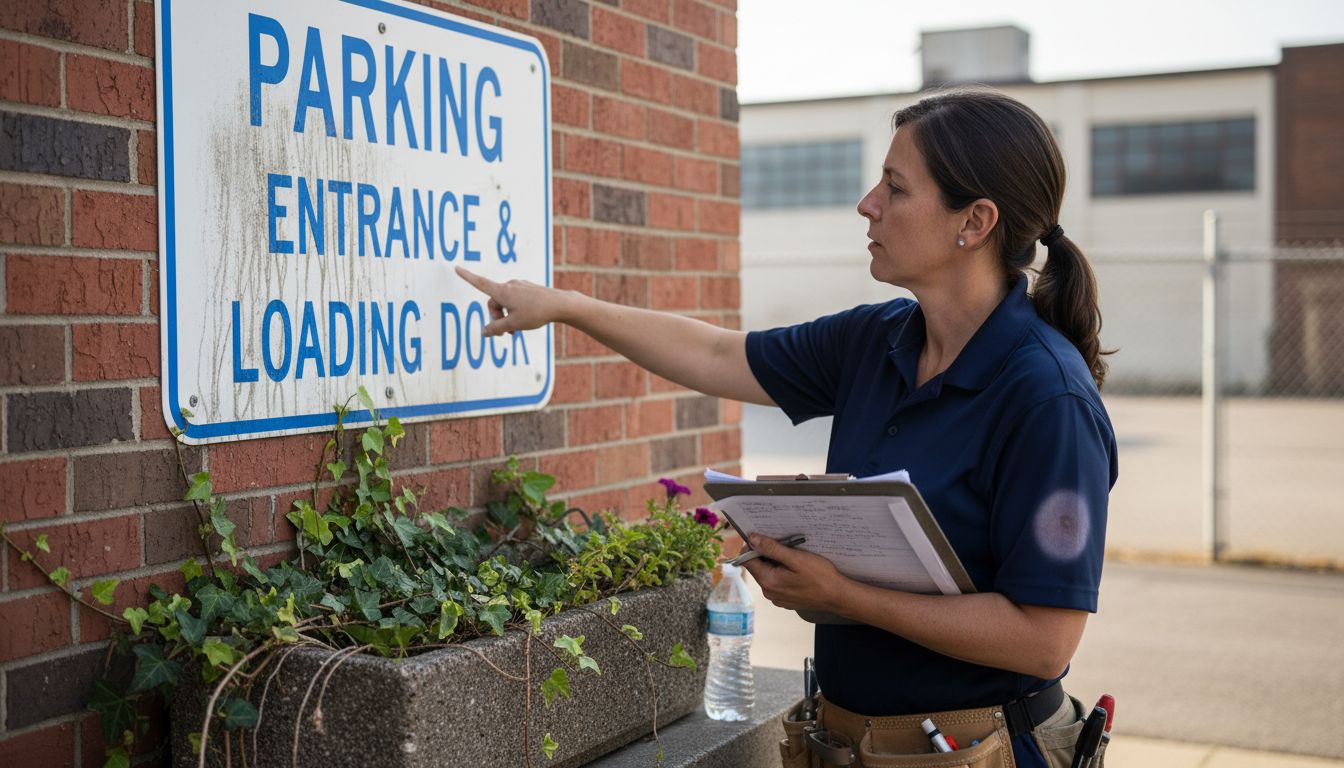
Here’s a quick reference for expected maintenance frequency by material type:
| Material | Suggested Inspection Interval | Common Maintenance Task |
|---|---|---|
| Aluminum | Twice yearly | Clean and check for oxidation |
| Acrylic | Quarterly | Polish surface, check cracking |
| Wood | Quarterly | Seal, repaint, check for rot |
| Vinyl | Every 6 months | Replace faded graphics |
| Steel | Twice yearly | Inspect for rust, repaint |
| Glass | Yearly | Clean surfaces, check chipping |
| PVC | Every 6 months | Clean and inspect warping |
Cost Factors and Budget Implications
Signage investment represents a critical strategic decision for businesses across South Florida, where budget considerations extend far beyond initial material costs. Smart companies recognize that material selection involves a complex calculus of upfront expenses, long-term durability, and brand communication effectiveness.
Key cost factors businesses must evaluate include:
- Initial material purchase price
- Manufacturing and fabrication expenses
- Installation complexity and labor costs
- Potential maintenance requirements
- Expected lifespan and replacement frequency
- Environmental adaptation capabilities
- Potential performance degradation over time
Materials for 3D office signs demonstrate how material choice directly impacts overall financial investment. Aluminum signs might cost more initially but provide exceptional durability in Miami’s challenging climate, potentially reducing long-term replacement expenses. Conversely, vinyl solutions offer lower upfront costs but may require more frequent updates.
Companies must adopt a holistic approach to budgeting that considers total lifecycle costs. This means evaluating not just the purchase price, but understanding how different materials perform under South Florida’s unique environmental conditions. Factors like UV resistance, humidity tolerance, and structural integrity play significant roles in determining true economic value.
Strategic material selection is less about finding the cheapest option and more about optimizing long-term brand communication and financial efficiency.
Pro tip: Request comprehensive cost-benefit analyses from professional sign designers, comparing multiple material options across expected lifecycle performance.
Regulations, Safety, and Miami Compliance
Navigating the complex landscape of sign regulations in Miami requires businesses to understand a comprehensive set of municipal guidelines that ensure public safety, aesthetic harmony, and professional brand representation. The city’s sign code represents more than a bureaucratic requirement – it’s a critical framework protecting community visual standards and pedestrian safety.
Key regulatory considerations for Miami businesses include:
- Permit Requirements: Mandatory for most permanent and temporary signage
- Size Restrictions: Specific dimensional limitations by zoning district
- Material Safety Standards: Guidelines for structural integrity and weather resistance
- Visibility Regulations: Rules governing sign placement and obstruction prevention
- Maintenance Expectations: Ongoing preservation of sign quality and legibility
- Illumination Restrictions: Controls on brightness and electrical safety
Guide to Miami Beach signage and permit requirements highlights the intricate process businesses must navigate. Miami-Dade County enforces stringent regulations that go beyond basic installation, demanding comprehensive compliance across material selection, placement, and ongoing maintenance.
Compliance isn’t just about avoiding fines – it’s a strategic approach to brand representation. Businesses must proactively understand zoning requirements, material restrictions, and safety protocols specific to their location. This means considering factors like wind resistance in hurricane-prone areas, visibility standards, and potential neighborhood-specific aesthetic guidelines.
Effective sign compliance transforms regulatory requirements from bureaucratic obstacles into opportunities for professional brand communication.
Pro tip: Consult with local permit specialists who understand Miami’s specific sign regulations before finalizing your signage design to ensure seamless approval and installation.
Common Pitfalls and How to Avoid Them
Navigating the complex world of sign design requires understanding potential strategic landmines that can compromise your brand’s visual communication. Miami businesses face unique challenges in creating signage that balances aesthetic appeal, regulatory compliance, and long-term durability.
Frequent mistakes businesses encounter include:
- Material Mismatch: Selecting substrates incompatible with local environmental conditions
- Overcrowded Messaging: Cramming too much information onto a single sign
- Improper Placement: Positioning signs where visibility is compromised
- Neglecting Maintenance: Failing to plan for ongoing sign preservation
- Ignoring Local Regulations: Overlooking specific Miami-Dade County signage requirements
- Poor Design Scalability: Creating signs that don’t adapt to different contexts
Signage and permit regulations in Miami-Dade County highlight the critical importance of understanding local guidelines. South Florida’s unique climate demands rigorous material selection – what works in a temperate environment might quickly deteriorate under intense UV exposure and hurricane-force winds.
Successful sign strategies require a holistic approach that considers environmental challenges, brand messaging, and regulatory compliance. Businesses must think beyond initial design, evaluating long-term performance, maintenance requirements, and potential adaptation needs. This means conducting thorough site assessments, understanding material limitations, and creating flexible design solutions that can withstand South Florida’s demanding conditions.
Sign design is a strategic investment – not just a visual accessory, but a critical communication tool that reflects your brand’s professionalism and attention to detail.
Pro tip: Conduct comprehensive site surveys and consult with local signage professionals before finalizing your design to anticipate potential environmental and regulatory challenges.
Choose the Perfect Sign Material to Elevate Your Brand
The article highlights the critical challenge many Miami businesses face when selecting sign materials that withstand South Florida’s unique climate while delivering lasting brand impact. You need materials that balance durability, visual appeal, and regulatory compliance without compromising your budget or maintenance capabilities. Whether you are seeking aluminum signs that resist corrosion or sleek acrylic lobby logos that reflect professionalism the right material choice makes all the difference.
At Titans of Print we specialize in turning these complex considerations into clear solutions. We help you select, manufacture, and install custom signage including channel letters and acrylic logos tailored specifically for your building environment. Our experts handle permitting processes and advise on optimal materials so your sign impresses from day one and lasts for years. Ready to boost your brand with signage that works as hard as you do? Discover our full range of sign printing services at Titans of Print and get personalized guidance on choosing the ideal materials for your next project. Start now to create a professional image that stands strong against Florida’s challenges.
Frequently Asked Questions
What factors should I consider when choosing sign materials?
When selecting sign materials, consider factors such as durability against weather conditions, visual impact for brand impression, cost-effectiveness within your budget, and how well the material suits the installation environment.
How do different sign materials affect longevity and maintenance?
Materials like aluminum and steel offer excellent longevity and low maintenance, typically lasting 10 to 20 years. In contrast, materials like vinyl and PVC may require more frequent replacement, with lifespans of 2 to 7 years, and may need regular maintenance to keep them visually appealing.
What are the advantages of using eco-friendly sign materials?
Eco-friendly sign materials, such as sustainable wood or aluminum, reduce environmental impact while meeting modern aesthetic standards. This choice can enhance brand perception among eco-conscious consumers and demonstrate corporate social responsibility.
How does signage material choice affect brand messaging?
The material you choose for your signage plays a vital role in communicating professionalism and creativity. It can enhance the overall aesthetic and align with your brand identity, making it a strategic investment in your organization’s visual communication.
Recommended
- Maximizing Visibility: Selecting The Best Outdoor Commercial Sign
- Elevate Your Office Signs With The Best Sign Material: A Guide To The Top 6 Choices
- The Power Of 3D Logo Signage: Enhancing Brand Visibility And Impact
- 7 Proven Steps To A Winning Signage Branding Strategy
- 7 Key Visual Branding Elements Every Business Needs
- Top 10 Best Plastics for Laser Cutting (2025) | A Guide for Pros & DIYers
- Master Testing Website Banners for Optimal Conversions