


In a world increasingly dominated by visual communication, the significance of clear and effective signage cannot be overstated. Whether guiding weary travelers through an airport, illuminating pathways in a bustling cityscape, or simply directing customers within a store, the legibility of signs plays a crucial role in our daily navigation. Yet, despite their omnipresence, many signs falter in conveying their messages clearly and swiftly. This article delves into the essential legibility guidelines for signage design, exploring the interplay of typography, color, size, and placement. By adhering to these principles, designers can create signs that not only capture attention but also foster understanding, ultimately enhancing the experience in public and private spaces alike. Join us as we unravel the art and science behind effective signage, and discover how thoughtful design can transform the mundane into the meaningful.
Enhancing Readability through Effective Typography Choices
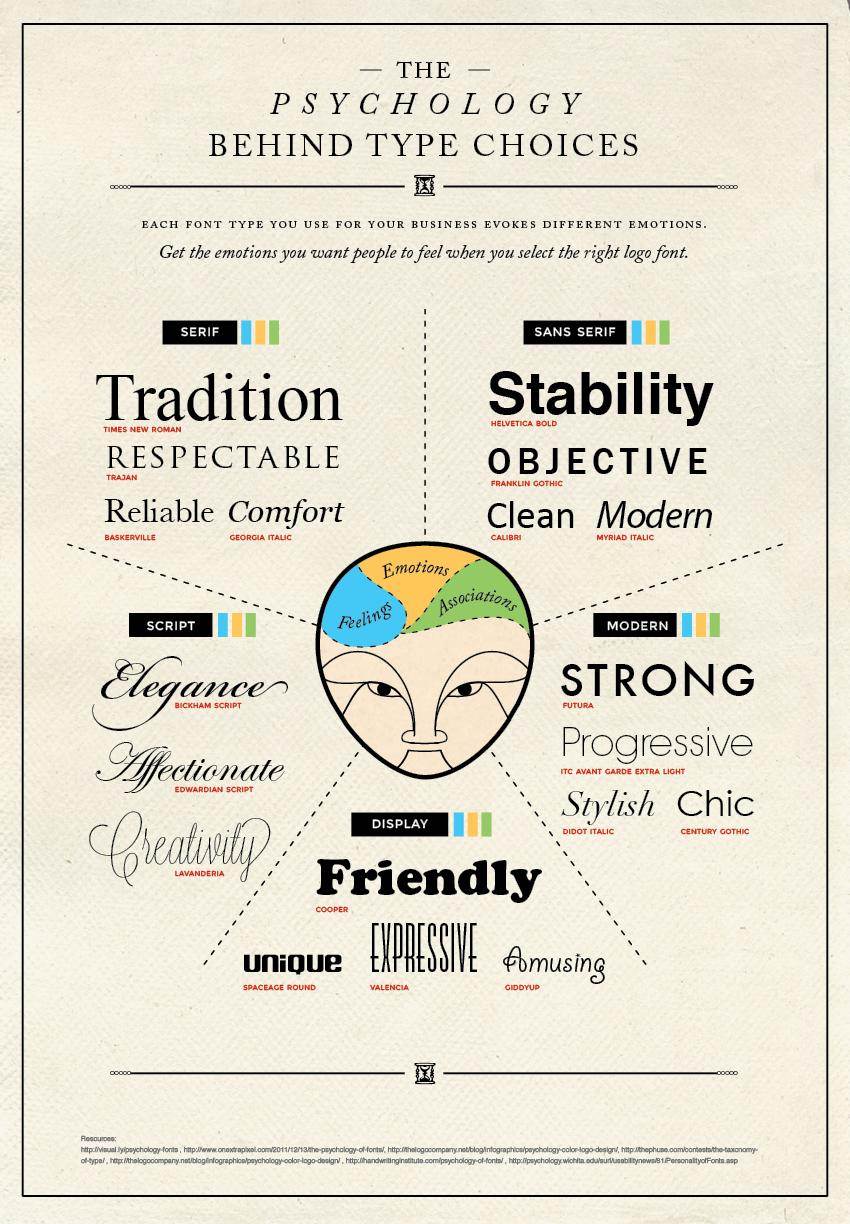
When it comes to creating signage that communicates effectively, the choice of typography plays a crucial role in ensuring clarity and comprehension. Selecting the right font is not just about aesthetics; it directly impacts how easily information can be read and understood. Sans-serif fonts are often preferred for signage because they are clean and modern, making them highly legible from a distance. Additionally, opt for a minimum font size of 40px for critical information, as larger text enhances visibility and minimizes strain on the eyes. When designing, consider contrasting colors between the text and background to further improve legibility. Dark text on a light background provides the best visibility in varying light conditions.
Furthermore, the spacing between letters and lines cannot be overlooked. Adequate letter spacing ensures that words do not blend together, preserving individual letter recognition. Standardizing line height can also significantly impact readability; a line height of 1.5 times the font size is generally recommended. When dealing with signage that includes multiple messages, apply hierarchical typographic styles. Use bolder fonts for key information, while lighter weights may denote supplementary details. To summarize, incorporating well-thought-out typography choices enhances not only the aesthetic appeal of signage but also its overall effectiveness in communication.
Harnessing Color Contrast for Maximum Visibility
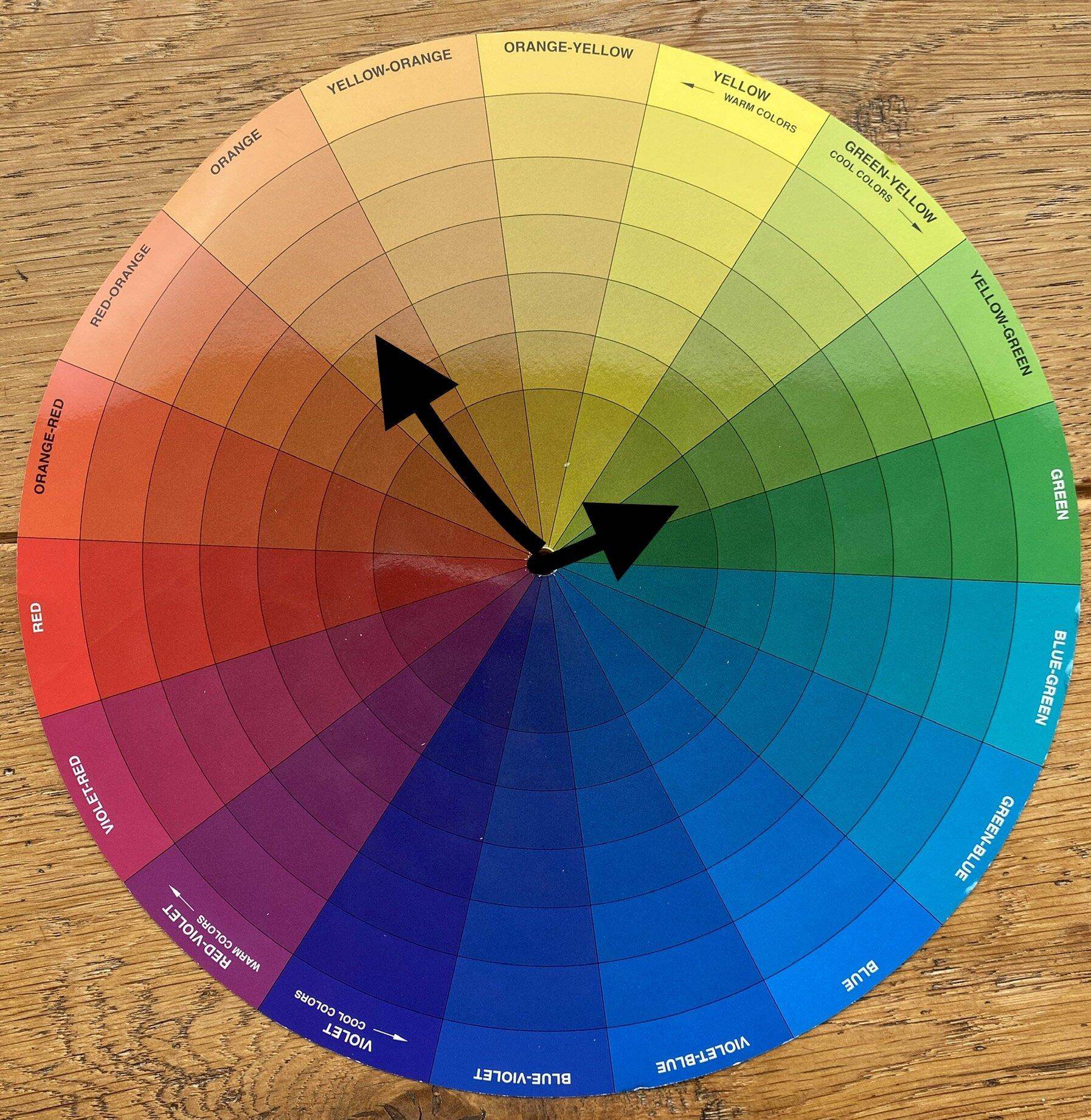
Color contrast is a fundamental element in creating effective signage that captures attention and ensures readability. To maximize visibility, it’s essential to choose colors that complement each other while maintaining a high level of distinction. Use dark text on light backgrounds or light text on dark backgrounds to enhance legibility. For example, deep navy blue paired with bright white can create a striking effect, while bright yellow works well against a dark grey. Consider the environments where your signs will be placed and how natural or artificial light may affect color perception.
Additionally, consistent use of color theory principles can further elevate your signage design. Familiarize yourself with the color wheel and make use of complementary and analogous color schemes that appeal to your audience. Here’s a quick reference for effective color combinations:
| Color Pairing | Visual Impact |
|---|---|
| Black & White | High contrast for maximum readability. |
| Blue & Yellow | Vibrant and attention-grabbing. |
| Green & White | Calming and easy on the eyes. |
| Red & White | Urgent and striking, often used for warnings. |
Strategic Placement and Sizing for Optimal Impact
Effective signage is not solely about clear typography; it is also about its strategic placement and appropriate sizing. When positioning signage, consider the following factors:
- Visibility: Signs should be placed at eye level to facilitate easy reading.
- Distance: The farther away a viewer is likely to be, the larger the sign should be to ensure readability.
- Context: Ensure the sign complements its surroundings and does not get lost among competing visuals.
Additionally, proper sizing plays a critical role in conveying the message effectively. Signs should be designed in relation to their intended audience and the environment they occupy. Here’s a simple guideline for common signage types:
| Sign Type | Recommended Size | Optimal Viewing Distance |
|---|---|---|
| Directional Signs | 24″x36″ | 50 feet |
| Informational Signs | 36″x48″ | 75 feet |
| Commercial Signs | 48″x72″ | 100 feet |
The Way Forward
the art of signage design transcends mere aesthetics; it is a vital component of effective communication within our environments. By adhering to the legibility guidelines outlined in this article, designers can create signage that not only captures attention but also conveys information with clarity and ease. Whether it’s guiding visitors through a bustling city or providing essential directions within a complex facility, each element—from font choice to color contrast—plays a pivotal role in enhancing the user experience. As we continue to navigate our increasingly visual world, let us strive to make our signage not just seen, but understood, ensuring that every viewer can effortlessly interpret the messages we wish to share. After all, in the realm of design, clarity is king, and inclusivity is key. Happy designing!
