

 In the bustling world of visual communication, where first impressions are often forged in an instant, the art of sign design emerges as a pivotal tool for brands aiming to carve their identity into the minds of consumers. From the elegant curves of a logo to the boldness of colors that resonate with shared values, every element of a sign speaks volumes about a brand’s essence. As businesses navigate the intricate landscape of marketing, understanding how to effectively incorporate brand identity into sign design becomes not just a creative endeavor, but a strategic necessity. This article delves into the symbiotic relationship between signage and brand identity, exploring the principles, practices, and potential pitfalls of crafting signs that do more than just direct—they define. Join us as we unravel the nuances of blending aesthetics with intent, ensuring that your signs not only stand out but also stand for something meaningful.
Understanding the Essence of Brand Identity in Signage
Brand identity in signage goes beyond mere aesthetics; it is a vital element that encapsulates the values and mission of a business. Effective signage reflects the personality and essence of the brand, serving not only as a point of recognition but also as a storytelling medium. By harmonizing key components such as color palette, typography, and logo placement, businesses can create a cohesive visual language that resonates with their target audience. This synergy captures attention and fosters a sense of connection, making the brand memorable in a cluttered marketplace.
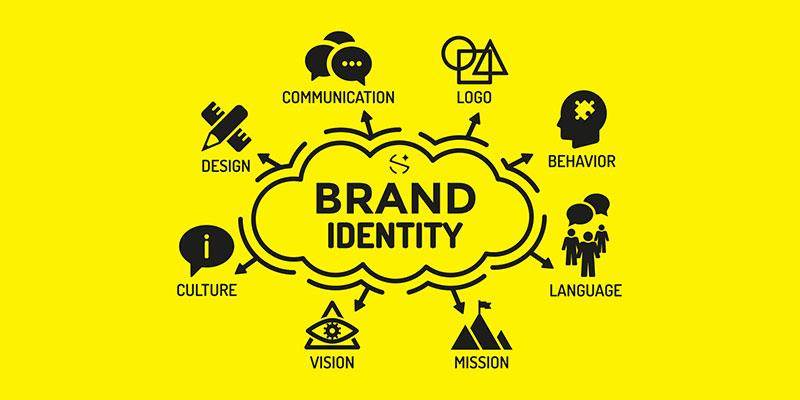 To further solidify brand identity in signage, integrating visual elements that reflect the brand’s ethos is essential. This can include unique shapes, imagery, and even textures that evoke specific emotions aligned with the brand message. Consideration of various factors such as the location, lighting, and material of the signage also plays a critical role in enhancing brand visibility and recall. Here’s a quick overview:
| Element | Impact |
|---|---|
| Color Palette | Evokes emotions and reinforces brand personality |
| Typography | Establishes tone; readability can affect perception |
| Logo Placement | Aids immediate recognition and brand association |
| Material Choices | Conveys quality and aligns with brand values |
Tailoring Design Elements for Visual Consistency
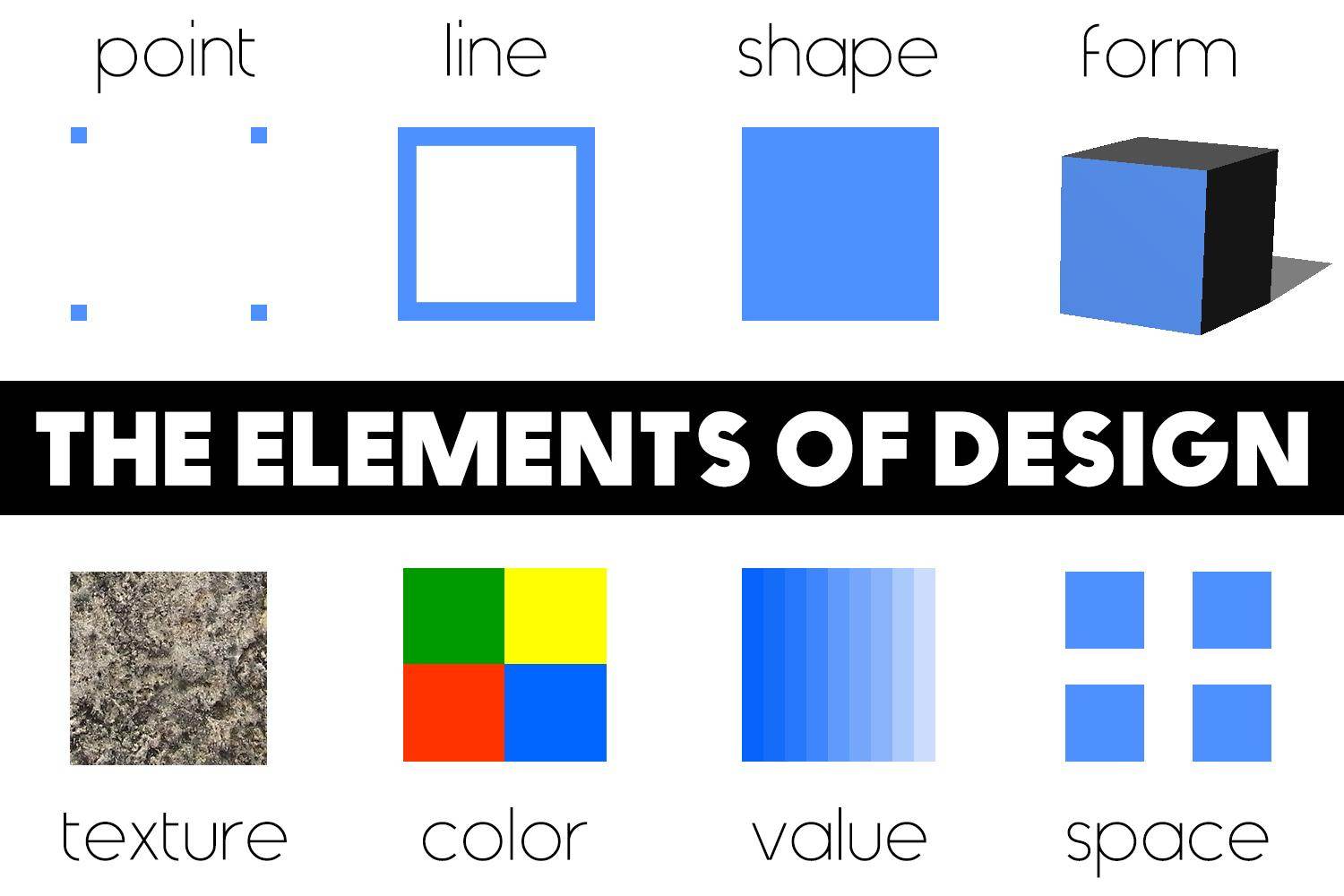
Establishing visual cohesiveness in sign design requires a thoughtful approach to integrating an organization’s brand identity across all messaging platforms. From colors and typography to shapes and materials, each design element plays a significant role in conveying the brand’s values and personality. When selecting these elements, it’s crucial to align them with the overall brand strategy to enhance recognition and trust among customers. For instance, a luxury brand might opt for elegant serif fonts and a refined color palette, whereas a tech company could choose vibrant colors and modern sans-serif fonts to reflect innovation and energy.
Utilizing a palette of consistent design elements will create a seamless experience for viewers. Consider developing a visual guideline that includes:
- Color Scheme: A limited selection of colors that reflect the brand’s emotion and message.
- Typography: A set of fonts that complements the brand’s voice and ensures readability.
- Imagery: Consistent style and quality in images to maintain authenticity.
- Brand Icons: Unique graphic elements that reinforce brand identity.
This holistic approach will not only increase brand visibility but also foster stronger connections with the audience by ensuring that all elements of sign design resonate with the intended message.
Enhancing Customer Experience through Strategic Sign Placement
Strategically placing signs within your business environment not only directs customers effectively but also immerses them in your brand identity. When signs are positioned at key points, they serve as both navigational aids and branding tools. For instance, outdoor signage can create a welcoming ambiance as visitors arrive, while internal wayfinding signs guide them seamlessly through your space. Each touchpoint, from menu boards at a café to promotional displays in retail stores, must echo the essence of your brand to leave a lasting impression on customers.
To maximize impact, consider the following elements in your sign placement strategy:
- Color Consistency: Ensure the colors used in your signs align with your brand palette to reinforce brand recognition.
- Font Harmony: Utilize fonts that reflect your brand’s personality while maintaining readability.
- Imagery Integration: Incorporate brand images or logos to create a cohesive look and feel.
Beyond visuals, the material and scale of your signs should align with your brand’s ethos, whether it’s sleek and modern or rustic and traditional. These design choices work in tandem with strategic placement to enhance customer experience, guiding them not just to their destinations but also through an unforgettable brand journey.
The Way Forward
In the ever-evolving landscape of visual communication, the importance of brand identity in sign design cannot be overstated. As we’ve explored, a well-crafted sign serves not only as a navigational tool but also as a statement of who you are as a brand. It speaks volumes in a language of color, shape, and typography long before the first words are read.
As you embark on your journey to create impactful signage, remember that every element should harmonize to reflect your unique identity. From initial brainstorming sessions to the final installation, let your brand’s story guide the design process. The right sign can transform a simple location into a vibrant representation of your values, mission, and vision.
So, as you step out into the world of design, think of your signs as the ambassadors of your brand—silent yet powerful communicators that can leave a lasting impression. Harness the power of brand identity in your sign design, and watch as it opens doors to new connections, enhances customer recognition, and ultimately drives success. After all, in the intricate dance of visuals and messages, your sign is your signature. Now, go forth and make it one that resonates.
