



In a world where first impressions matter more than ever, the medium through which we convey our messages plays a pivotal role. Enter acrylic signs—an innovative tool that blends artistry with practicality. Whether adorning the walls of a chic café, guiding customers through a boutique, or enhancing the visual identity of a corporate office, acrylic signs have swiftly become a popular choice for businesses and individuals alike. But what exactly are acrylic signs, and what benefits do they bring to the table? In this article, we will explore the captivating world of acrylic signage, uncovering its unique qualities and the advantages it offers, while shedding light on why it has earned its place in the spotlight of modern communication. Join us as we delve into the fascinating intersection of design, functionality, and versatility that defines acrylic signs.
Understanding Acrylic Signs and Their Versatility
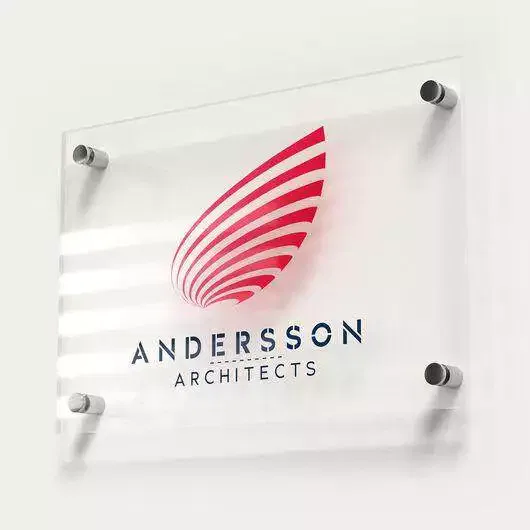
Acrylic signs are becoming increasingly popular in various settings due to their exceptional clarity and durability. Crafted from a lightweight, shatter-resistant material, acrylic combines the aesthetic charm of glass with the practicality of plastic, making it a favored choice for businesses and events alike. Its sleek finish enhances visual appeal, ensuring that signs not only convey information but also serve as attractive design elements. The versatility of acrylic extends to various creative applications, ranging from directional signage in corporate environments to vibrant displays for retail promotions.
One of the significant advantages of acrylic signs is their adaptability to different design styles and requirements. They can be easily customized in terms of shape, color, and size, catering to specific branding needs. Consider the following benefits:
- Weather Resistance: Ideal for both indoor and outdoor use.
- Customizable Designs: Tailor-made solutions for unique branding.
- Lightweight and Easy to Install: Simplified placement and transport.
Furthermore, these signs can be enhanced with a variety of printing techniques, such as UV printing or screen printing, offering businesses an opportunity to showcase their logos and messages creatively. With these features, acrylic signs not only stand out visually but also provide practical solutions that can elevate any space or event.

Exploring the Advantages of Acrylic Signage in Business
Acrylic signage is increasingly becoming a popular choice for businesses looking to enhance their visual communication. This material is known for its clarity and ability to mimic the appearance of glass, making it an elegant option for indoor and outdoor signage. One of the primary advantages of acrylic signs is their durability; they resist fading, weather conditions, and physical damage better than traditional materials. Additionally, acrylic is lightweight, allowing for easier installation and repositioning without compromising stability. Businesses can opt for a variety of finishes and customizations to align the signs with their branding, which serves to heighten brand recognition.
Beyond aesthetics, acrylic signage offers cost-effectiveness, especially when compared to alternative materials like metal or glass. It can be produced in bulk without a significant increase in production costs, giving businesses flexibility in their marketing efforts. Furthermore, acrylic can be easily printed on and cut into intricate shapes, allowing for creative freedom in design. The combination of these features makes acrylic signs an attractive option for settings ranging from retail stores to corporate offices. With the potential for both functional and eye-catching displays, investing in acrylic signage can significantly enhance a business’s visibility and appeal.
Tips for Choosing the Right Acrylic Signs for Your Needs
When selecting acrylic signs, consider your specific needs and the environment where they will be displayed. Durability is paramount, so choose signs made from high-quality acrylic that can withstand various weather conditions if they will be used outdoors. Additionally, think about the size and visibility of the sign; larger signs tend to attract more attention but must fit well within the available space. Be sure to also assess if you need additional features, such as mounting options or custom shapes, to achieve the desired aesthetic and functionality.
Another critical aspect to review is the design elements. Acrylic signs can be easily customized, allowing for an array of colors, fonts, and graphics. To ensure you get the perfect sign, create a clear vision by considering the following:
- Branding: Incorporate your logo and brand colors to enhance recognition.
- Readability: Opt for fonts and colors that are easy to read from a distance.
- Purpose: Tailor the design to fit whether your sign is for marketing, directional use, or safety.
Experiment with combinations to achieve an effective design that speaks to your target audience while staying true to your brand identity.
Q&A
Q&A: What Are Acrylic Signs, and What Are Their Benefits?
Q1: What exactly are acrylic signs?
A: Acrylic signs are visual displays made from acrylic plastic, a versatile and durable material. These signs can be custom designed for various applications, from business storefronts to indoor wayfinding, creating an engaging and contemporary look. Acrylic is favored for its clarity and ability to mimic glass without the associated fragility.
Q2: How are acrylic signs typically made?
A: Acrylic signs are crafted through a combination of cutting, engraving, and printing techniques. The sign can be cut into various shapes and sizes using laser or CNC technology, and the surface can be personalized with printed graphics, vinyl lettering, or direct engraving, allowing for versatile branding options.
Q3: What are the key benefits of using acrylic signs?
A: There are several compelling benefits to using acrylic signs:
- Durability: Acrylic is resistant to shattering and weathering, making it suitable for both indoor and outdoor use.
- Versatility: These signs can be customized in various shapes, colors, and finishes, making them adaptable to any design theme.
- Lightweight: Compared to materials like glass or metal, acrylic is significantly lighter, facilitating easier installation and transport.
- Clarity and Gloss: Acrylic offers excellent optical clarity and a glossy finish that enhances visibility and adds a professional touch to signage. However matte paint is typically standard in all signs, adding a very modern look.
- Cost-Effectiveness: While they provide a polished appearance, acrylic signs are often more budget-friendly than traditional glass or exterior metal signage.
Q4: In what settings are acrylic signs commonly used?
A: Acrylic signs are extremely versatile and can be found in various settings, including:
- Retail environments for storefront signage and product displays
- Offices for directional signs and room identification
- Trade shows and exhibitions for booth graphics
- Events such as weddings and parties for personalized displays
- Schools for informational and directional purposes
Q5: Are there any limitations to acrylic signs?
A: While acrylic signs offer many advantages, there are a few limitations to consider:
- Scratching: Although durable, acrylic can scratch more easily than tougher materials like metal or glass. Protective coatings can help mitigate this issue.
- Temperature Sensitivity: Extreme temperatures can warp acrylic, so it’s best to avoid direct exposure to high heat.
- Less Formal Appearance: Depending on the application, some might find acrylic to be less formal than other signage materials like wood or stone.
Q6: How do I maintain acrylic signs?
A: Maintaining acrylic signs is relatively simple! Regularly clean them with a soft cloth and a mild soap solution to prevent dirt buildup. Avoid harsh chemicals or abrasives that could scratch the surface. Store them in a cool place to prevent damage from heat.
Q7: Can acrylic signs be reused or repurposed?
A: Yes, acrylic signs can be reused and repurposed thanks to their durable nature. If designs change, the graphics can be removed and replaced without damaging the underlying material, making them an economically and environmentally friendly choice.
Q8: How can I get started with creating acrylic signs for my business?
A: To create acrylic signs for your business, consider consulting with a signage company that specializes in custom designs. Provide them with details about your design preferences, size requirements, and budget constraints. They’ll guide you through the process and help turn your vision into a stunning reality!
In Summary
acrylic signs offer a versatile and stylish solution for various signage needs, enhancing both functionality and aesthetics. Their unique blend of durability, customizability, and modern appeal makes them an ideal choice for businesses, events, and personal projects alike. Whether you’re looking to elevate your brand’s visibility or simply add a touch of elegance to your space, acrylic signs provide an array of benefits that cater to diverse requirements. As you contemplate your next signage project, consider embracing the clarity and sophistication that acrylic can bring to your message. With their vibrant colors, sleek finishes, and lasting quality, acrylic signs are more than just a means of communication; they are a statement of your commitment to excellence.
