

In the evolving world of manufacturing and fabrication, precision and efficiency are paramount. Two techniques that have gained significant traction in this realm are laser cutting and CNC routing. While both methods are heralded for their ability to create intricate designs and shapes with remarkable accuracy, they cater to different materials and applications. Understanding the nuances between these two technologies can be the key to unlocking their full potential in various projects. In this article, we will delve into the fundamental differences between laser cutting and CNC routing, exploring their respective strengths, ideal use cases, and how they can transform the way we approach design and production in a myriad of industries. Join us as we illuminate the pathways of these cutting-edge technologies, guiding you to make informed choices for your next endeavor.
Understanding the Techniques of Laser Cutting and CNC Routing
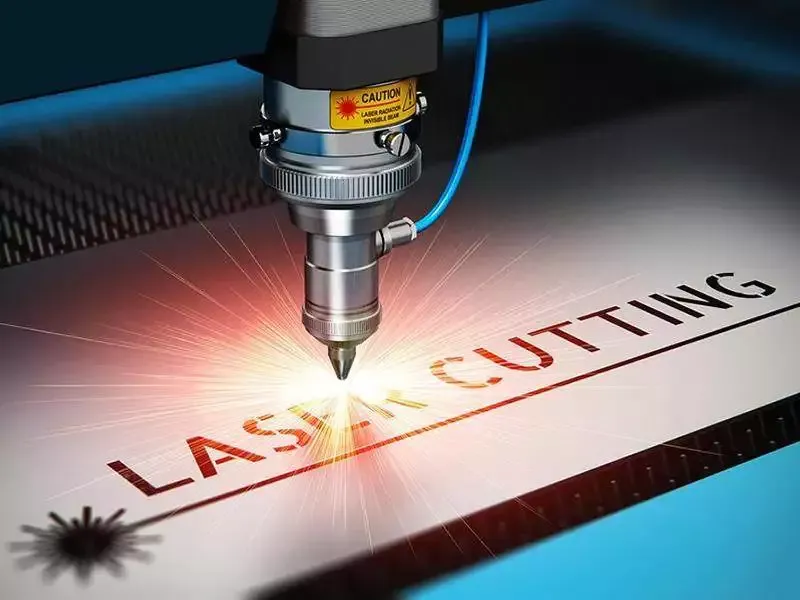
Laser cutting and CNC routing are both advanced manufacturing techniques, each with its own set of unique methodologies and applications. Laser cutting utilizes focused beams of light to slice through materials with precision and speed. This process allows for intricate designs and fine details that are often unattainable with other mechanical methods. Common materials processed with laser cutting include:
- Metals
- Plastics
- Wood
- Textiles
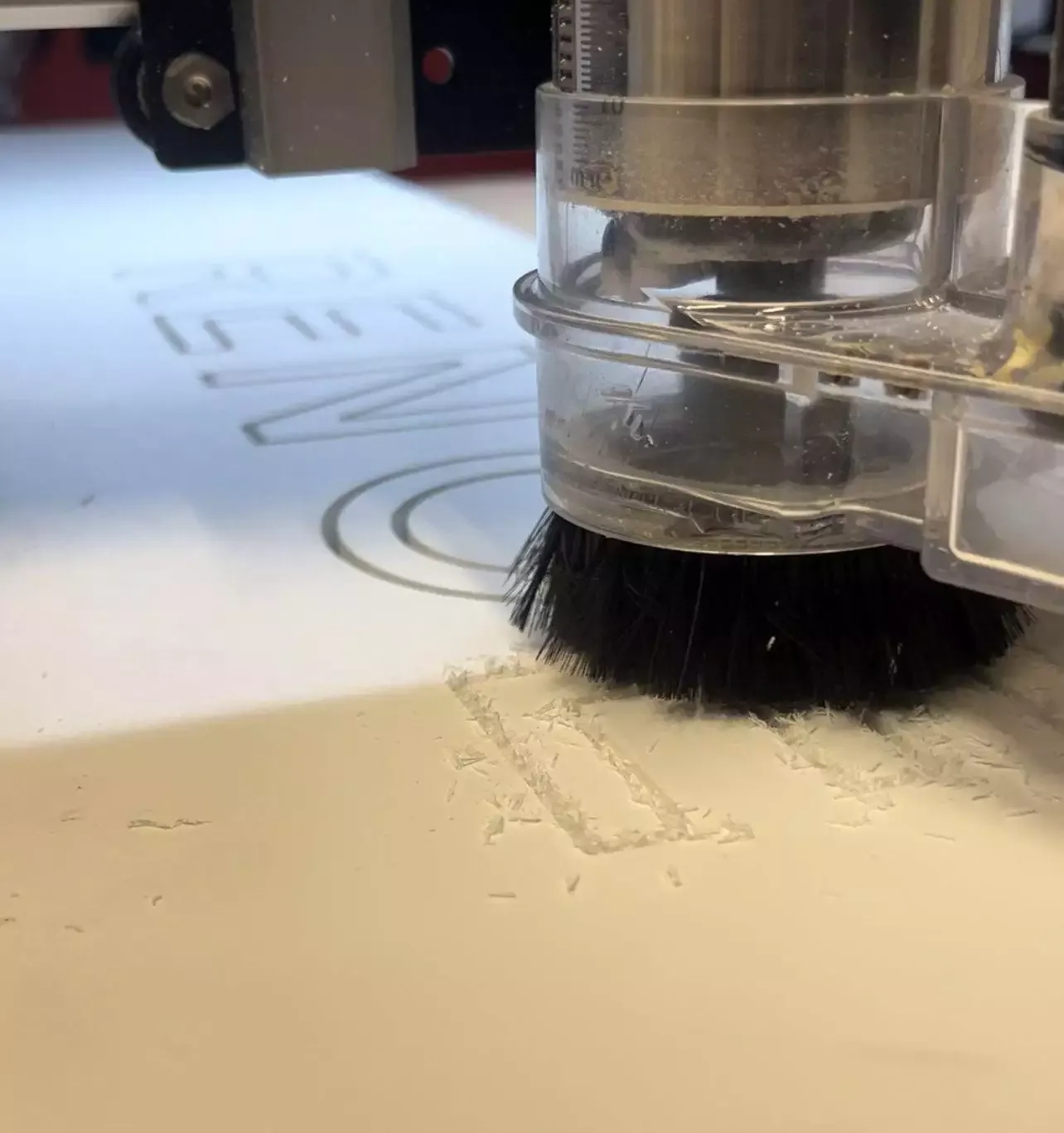
Conversely, CNC routing employs a rotating cutting tool, guided by computer numerical control, to carve out shapes and patterns from materials. This technique excels in creating three-dimensional forms and can handle a variety of materials, particularly softer ones. CNC routers are commonly used for:
- Woodworking
- Sign-making
- Prototyping
- Model making
Crafting a clear distinction between the two methods involves understanding their operational dynamics. A simple comparison table elaborates on their key differences:
| Feature | Laser Cutting | CNC Routing |
|---|---|---|
| Material Thickness | Thin to moderate | Moderate to thick |
| edge Finish | Smooth, melted finish | Rough, machined finish |
| Speed | High for thin materials | Moderate |
| precision | High precision | good precision |
Comparative Analysis of Applications and Materials
- Acrylic signs and displays
- Metal engraving
- Textiles and leather products
- Electronic components
In contrast, CNC routing is beneficial for working with a broader range of materials and larger pieces. Its versatility makes it a preferred choice for projects demanding robust materials and a strong, precise finishing touch. Typical applications encompass:
- Wood furniture manufacturing
- Cabinetry and architectural elements
- Signage and outdoor display boards
- Complex 3D shapes and contours
| Feature | laser Cutting | CNC Routing |
|---|---|---|
| Material Types | Acrylic, Some Plastics, Wood, Textiles | Wood, Composites, Plastics |
| Thickness Capacity | Up to 25mm | Up to 200mm |
| Precision | High | Moderate |
| Speed | Fast | Variable |
Choosing the right Method for Your Project needs
When selecting a method for your project, it’s essential to consider the unique requirements of the materials you’ll be working with and the level of precision needed. Laser cutting excels in generating intricate designs with its fine, focused beam, making it the ideal choice for detailed work on thin materials such as acrylic, wood, and metal. On the other hand, CNC routing shines in handling thicker materials and is superb for larger scale fabrication, enabling the production of robust parts and components. If your design demands a smooth finish and minimal post-processing, laser cutting might be the superior option, whereas CNC routing can provide the strength and durability often required in furniture and structural elements.
another vital aspect to consider is production speed and volume. For projects that prioritize speed and efficiency, CNC routing is generally faster for producing larger batches due to its ability to handle bulk material removal. Simultaneously occurring, laser cutting usually requires more time for setups and fine adjustments, but delivers extraordinary precision for smaller production runs. Here is a rapid comparison of the two methods based on key factors:
| Factor | Laser Cutting | CNC Routing |
|---|---|---|
| material Thickness | Up to 20mm | Up to 100mm |
| Precision | High | Moderate |
| Speed | Slower (for intricate cuts) | faster (bulk processing) |
| Common Materials | Acrylic, Wood, | Wood, composites, pvc, Some Metals |
Choosing the right method ultimately hinges on your specific project goals, timelines, and material choices. Assessing these factors thoroughly will empower you to make an informed decision that aligns perfectly with your creative vision and production needs.
Loading |
Q&A
Q&A: What Is the Difference Between Laser Cutting and CNC Routing?
Q1: What are the basic definitions of laser cutting and CNC routing?
A1: Laser cutting is a technology that uses focused laser beams to cut through materials with precision. It is indeed particularly effective for thin materials, providing clean edges and intricate designs. Conversely, CNC routing, or Computer Numerical Control routing, utilizes a rotating cutter to remove material from a workpiece. This method is versatile and can handle a variety of materials, ranging from wood to plastic and metal.
Q2: How do the technologies differ in terms of operation?
A2: In laser cutting, a high-powered laser beam melts, burns, or vaporizes material along a predetermined path, guided by computer software. This method is non-contact, meaning the laser doesn’t touch the material directly. On the other hand, CNC routing involves a physical cutting tool that descends onto the material and mechanically carves out the desired shape. Both methods follow precise digital instructions, but the mechanics of cutting differ substantially.
Q3: What types of materials can each technology work with?
A3: Laser cutting excels with materials that are thin and sensitive to heat, such as acrylic, wood, paper, and some metals like aluminum and stainless steel. It’s prized for its ability to create fine details. CNC routing shines with a wider range of materials, including thicker woods, plastics, and composites, making it suitable for larger and bulkier pieces where depth and texture are needed.
Q4: Are there any limitations to each technology?
A4: Yes, both methods have their limitations. Laser cutting can struggle with very thick materials or those with reflective surfaces, as the laser may not penetrate adequately or could bounce off. It’s also typically not the best choice for soft metals. CNC routing, while versatile, can leave rougher edges compared to laser cutting and is frequently enough slower when it comes to intricate designs. Additionally, setting up CNC machines can involve more complex tooling changes, particularly for diverse projects.
Q5: In what industries are laser cutting and CNC routing most commonly used?
A5: Laser cutting is widely used in industries like sign-making, automotive, aerospace, and electronics, where precision and detailed work are critical. CNC routing is popular in woodworking, cabinetry, and custom manufacturing, where the ability to shape larger, thicker materials is essential. Each technology fits specific needs within these industries based on the nature of the materials involved and the desired outcomes.
Q6: How do cost and speed factor into the choice between the two methods?
A6: Generally, laser cutting can be more cost-effective for smaller runs or projects that require high precision, despite a higher initial investment in machines. It is faster for intricate designs and smaller parts. CNC routing may have lower material costs when working with larger panels and can be more economical for mass production, but setup times can be longer, affecting overall speed. Ultimately, the choice depends on the specific project requirements, including the type of material, desired thickness, and design complexities.
Q7: Can these two technologies complement each other?
A7: Absolutely! Many manufacturers leverage both laser cutting and CNC routing to maximize their operational efficiencies. As a notable example, a project may start with laser cutting for intricate patterns and finish with CNC routing to add depth or detail. The blending of these methods can create a broader range of products, enhancing creativity and flexibility while minimizing waste.
Q8: What should someone consider when choosing between laser cutting and CNC routing for their project?
A8: When deciding between laser cutting and CNC routing, consider the material type and thickness, the level of detail required, production speed, and budget constraints. If you’re working with delicate materials that require finesse, laser cutting may be your best choice. However, for larger pieces requiring bulk material removal, CNC routing is likely the way to go. Understanding the unique strengths of each method will help ensure a prosperous outcome for your project.
To Wrap It Up
when it comes to precision fabrication, both laser cutting and CNC routing bring unique strengths to the table. Laser cutting excels in delivering clean, intricate designs with remarkable accuracy, making it an ideal choice for materials like metal, acrylic, and thin wood. On the other hand, CNC routing offers versatility and depth, allowing for complex shapes and three-dimensional carvings in a wide range of materials, from hardwood to foam.
Ultimately, the decision between these two cutting-edge technologies hinges on the specific needs of your project—considering factors such as material type, design complexity, and production volume. By understanding the nuances of laser cutting and CNC routing, you can better equip yourself to choose the right method that aligns with your vision. Whether you’re diving into a new design or refining a prototype, each technique holds the potential to bring your ideas to life with precision and flair. So as you venture into the world of fabrication, keep these distinctions in mind and let creativity guide your choices.