
BRICKELL SIGNS, PRINTING & DISPLAYS
Brickell Sign Company for Business Signs, Graphics and Displays
In Brickell, a business identity may need to work at street level, inside a tower lobby, and at the tenant suite. Titans of Print helps coordinate those sign moments as one commercial system while matching each sign to its actual surface. For an office tenant, a Brickell sign company needs to plan the exterior, lobby, and suite route together.
- Since 2005
- Custom sizes and finishes
- Design, printing and fabrication

Request a quote for your Brickell sign project
Send your logo or artwork, product type, finished dimensions, quantity and deadline. For banners, posters, boards, flags or displays, tell us how they will be supported and whether they need to travel or go outdoors. For installed signs, add the address, site photos and known mounting, property, access, permit or electrical conditions. Include a shipping or delivery destination. If you are unsure of the format, describe the job and we can help compare options.
Explore real Titans sign work
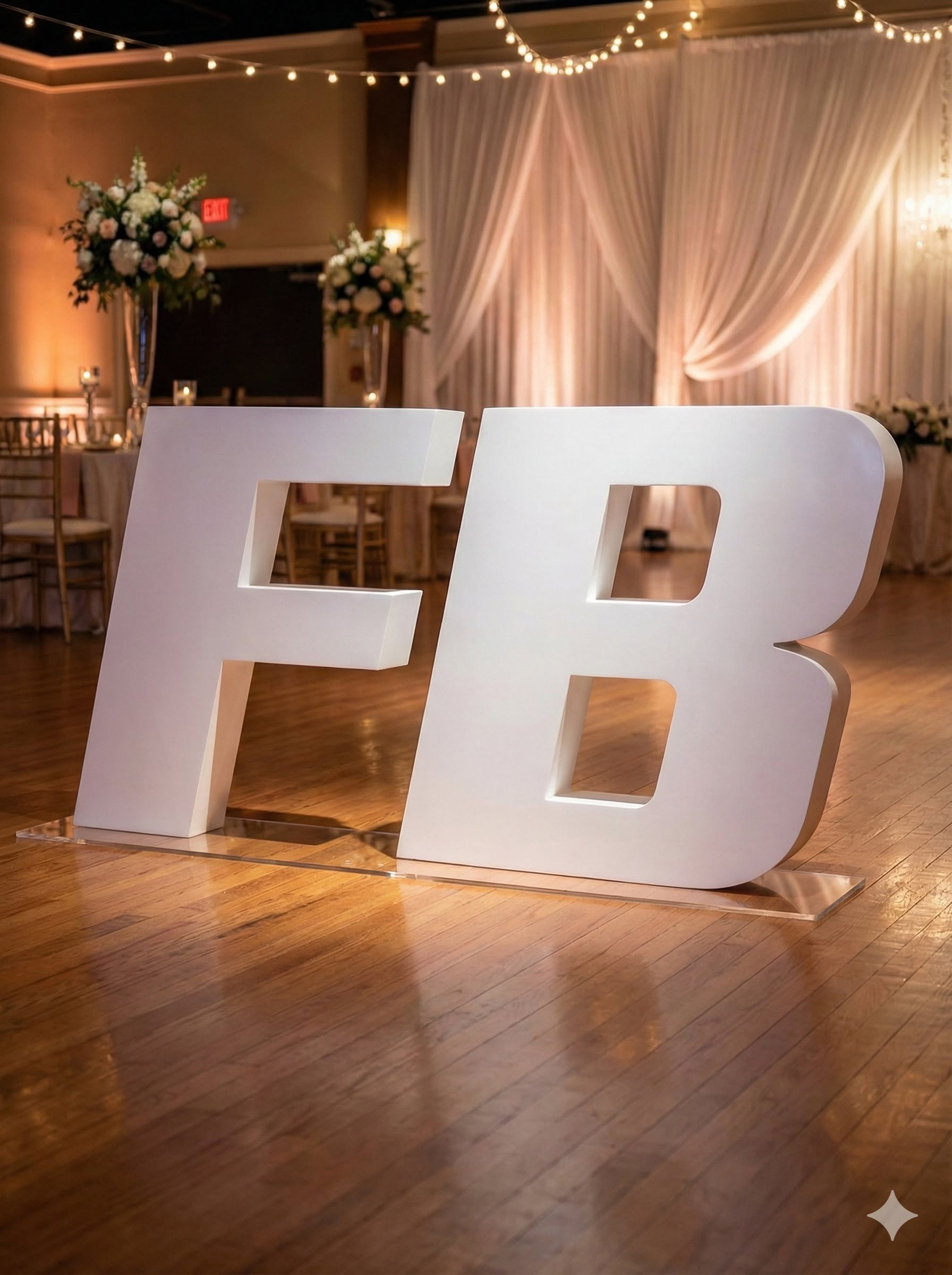
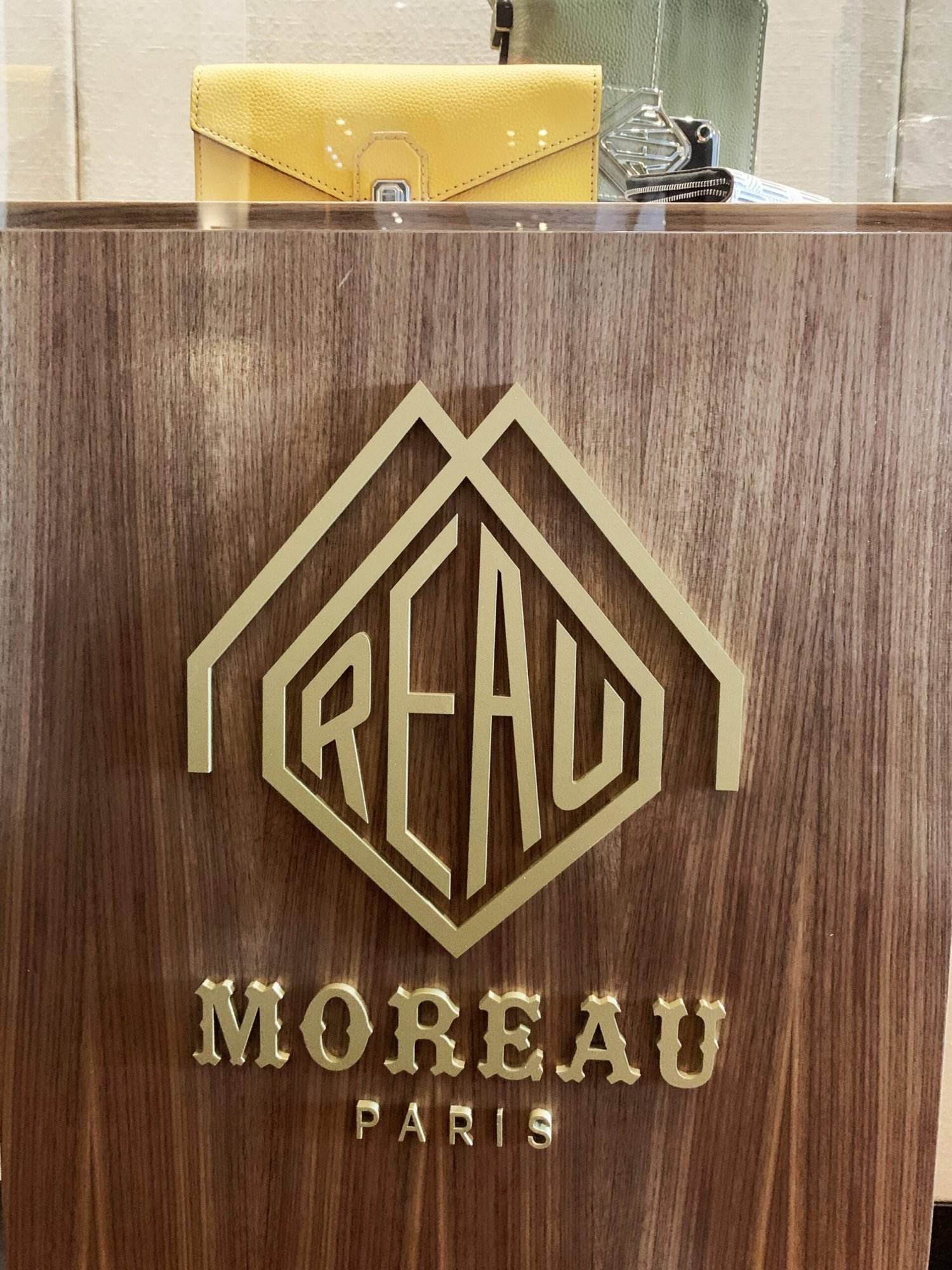
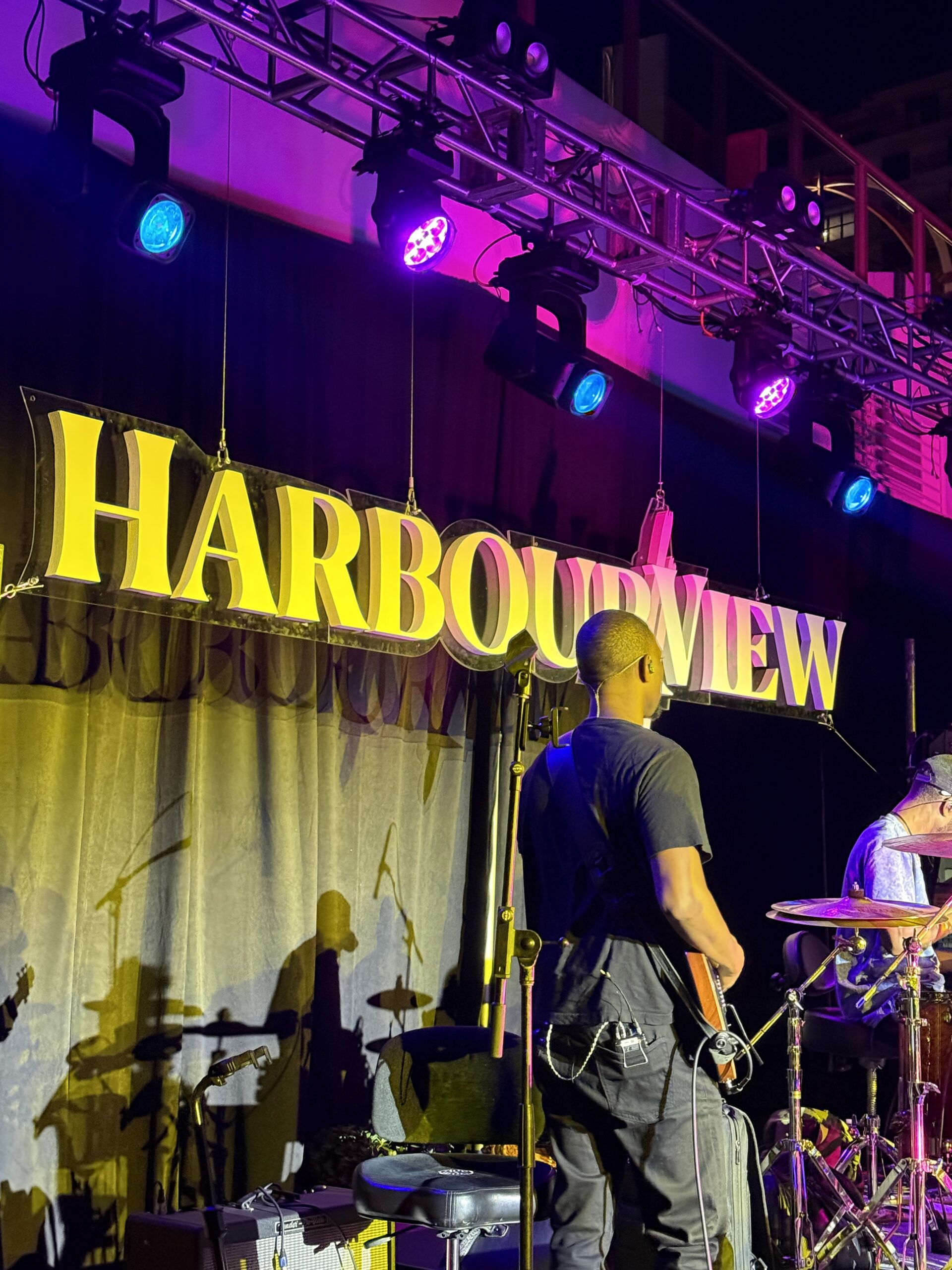
Use the gallery to compare scale, construction, finish, lighting, and placement. These examples show completed work; they are references for discussion, not standard specifications for a new property.











THE SHORT VERSION
Signs for your space, promotion or event
Browse the range at a glance. Choose a category to see materials, examples and the information we need for a quote.

Building and LED signs
Wall signs, raised letters and lighting for a business exterior.

Interior signs
Reception logos, door identification and directions through a space.

Property and printed signs
Real estate signs, posters, foam boards and printed panels.

Banners and flags
Flexible banners and portable flags for entrances and promotions.

Events and displays
Banner stands, backdrops, booth graphics and branded event pieces.

Decals and vehicle graphics
Brand vehicles, windows, floors, tables and equipment.
Planning signs in Brickell
Brickell is an urban Miami business district where people may arrive on foot, by car, or through a shared building entrance. That changes the sign plan. A storefront facing a pedestrian route has a close viewing distance and may need clear window identification. A tenant in a tower may rely on the building directory, lobby, elevator area, and reception wall to complete the wayfinding sequence. A sign at the parking entrance may need a concise name that is legible before a driver reaches the turn. A Brickell sign company quote should include the building rules, loading process, and suite route before installation is scheduled.
Begin by tracing the path from the street to the final destination. Photograph the building approach, entry, directory, and interior wall. Note whether the company controls the facade or must follow a property management sign standard. In a shared commercial building, the size, finish, illumination, and mounting position may be defined by the landlord. Obtain those criteria before the design is finalized, then carry the approved brand treatment through the permitted sign areas.
Use scale and material to control the message
A tall facade and a reception wall call for different letter sizes and construction. For a concise building name, dimensional letters can sit directly against the facade; a backer panel can unify the mark where the wall is visually busy or the tenant area is limited. Inside, acrylic or PVC lettering can give a logo depth, while a flat panel is useful for several names or directions. Window film can identify a suite or provide privacy while keeping the main name separate from smaller details.
Lighting should be considered with both the building design and operating context. Channel letters may suit some exterior applications; halo-lit or backlit forms may suit a controlled indoor location. The desired effect, wall finish, mounting access, power path, property rules, and electrician’s scope need review before a final specification. No one lighting method fits every sign or facade.
Coordinate a multi-part project
For a Brickell office, request pricing for the full path: exterior identification where allowed, directory or suite information, and reception branding. Send the address, dimensions, photographs, available artwork, number of sign faces, property criteria, and target opening date. A site survey can help establish dimensions and conditions when photographs are not enough. Proof approval happens before production; any permit or property approval depends on the exact project and jurisdiction.
Titans is based in the Miami–Doral area and serves South Florida installation projects. Building access, loading rules, work hours, elevator reservations, and protection of occupied spaces should be identified early. Typical fabrication timing depends on the materials, scope, approvals, and installation conditions. Electrical work is done by a qualified electrician. The team can coordinate installation planning and quote each stage. Ask for a project quote before ordering so the signs, delivery, and on-site work can be considered together.
WHEN YOU WANT THE DETAILS
Explore the options in more detail
Compare the construction, use and practical decisions behind each sign type. Jump to the part that matches your project.
01 / YOUR BUSINESS SPACE
Storefront and exterior building signs
At a Brickell ground-floor business, people may first see the sign from a sidewalk, a drop-off lane, or through a shared tower entry. Identify which view needs the primary name and reserve door or window graphics for confirmation at close range. A backer panel can make a complex logo coherent against a busy facade; separate letters may suit a clean architectural surface. Coordinate sign dimensions and mounting with the building’s tenant requirements, especially when the visible storefront is smaller than the full business footprint.
Aluminum-composite panels, aluminum and other metals, acrylic, PVC, and routed dimensional materials can serve different design and mounting needs. A flat panel can carry a clear message across a broad surface; dimensional letters create separate forms on the wall; a backer panel can organize a logo and supporting information as one composition. Material choice should reflect the design, mounting conditions, exposure, finish, and expected upkeep.
South Florida sun, rain, and exterior exposure make finish and placement important parts of the discussion. Titans can help compare appropriate materials and coordinate permitting or property requirements when they apply. Approval depends on the property, sign type, jurisdiction, and reviewing authority. Explore custom exterior building signage for the detailed product scope.
Panels, raised letters, and facade graphics
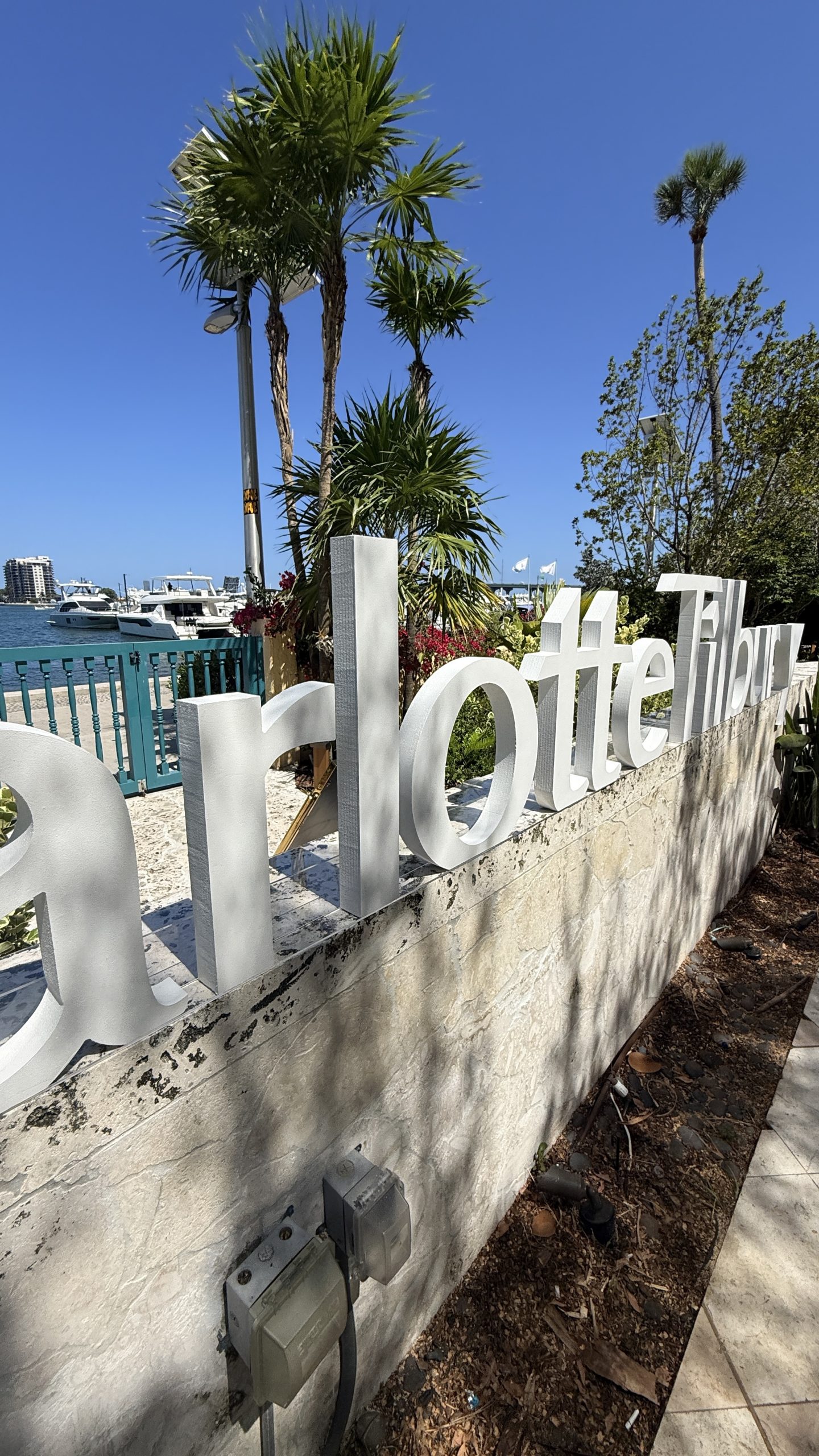
An aluminum-composite panel (ACP) can create a flat, organized background for a business name, tenant information, or logo. Dimensional PVC or acrylic letters separate the brand mark from the facade; flat-cut or fabricated metal brings a different face and edge profile. A panel can also serve as a backer for letters when the composition calls for one. These formats are compared by artwork detail, desired depth, finish, wall material, exposure, mounting, and property criteria rather than treated as interchangeable materials.
Storefront glass can carry supporting hours, privacy, or campaign graphics, but coverage and viewing direction should be decided with the building sign. See custom window graphics for the glass product details.
Channel letters and illuminated business signs
For a Brickell business beneath a tower, the sign may compete visually with lobby lighting, glazing, and neighboring retail. Decide whether illumination is meant to announce the entrance from a distance or simply define the name at pedestrian scale. Front-lit letters and halo-lit letters give different nighttime edges and very different daytime faces. The building’s sign criteria, facade access, and power route will constrain both. Have the electrical connection scoped by a qualified electrician rather than treating it as part of a graphic mockup.
Front-lit channel letters show light through the face. Halo-lit or reverse-lit letters direct light toward the wall behind them. Backlit panels and edge-lit signs use other material and lighting arrangements. Compare the face and edge in daylight as well as the illuminated appearance, then review letter depth, wall color, surrounding light, viewing distance and the power path.
Illumination adds project questions that an unlit sign does not have. The design needs room for the lighting components and a suitable power path. Site conditions, mounting, access, and electrical coordination must be reviewed. Titans does not perform electrical work; a qualified electrician is required where electrical work is needed. The exact responsibilities and connections are established for the project rather than assumed from a product name.
See channel letter signs and illuminated business signs for construction options and examples. Channel-letter projects may take roughly three to four weeks or longer depending on the approved artwork, materials, scope, permitting, and installation conditions; this is a planning range, not a completion promise.

Edge-lit dimensional acrylic
Light follows the visible acrylic edge around the letter or logo. A mirror, brushed or painted face changes the daytime look while the white or colored edge gives definition when switched on. Plan the wire route and power access with the wall layout.

Dimensional logo on a backlit panel
A board mounted on stand-offs carries the complete logo, with light glowing behind the panel. It keeps several logo pieces together and adds a lit background. The wall color, spacing and panel size affect how the glow appears.
Dimensional lobby, reception, and wall logo signs
In a Brickell sales office or professional suite, the reception mark often appears in close-up photographs as well as to visitors standing at the desk. Its edge quality, spacing, and finish deserve more attention than sheer size. Layered acrylic, flat-cut metal, or painted dimensional letters can express the same logo differently on a textured or smooth wall. The documented Parkside Brickell reception project used matte, color-matched acrylic, but a new wall needs its own construction and mounting decision.
Material options include acrylic, PVC, solid metal, aluminum, wood, HDU, foam and mixed-material construction where suited to the project. Flat-cut metal can be brushed, polished, painted or given a metallic-style finish. Acrylic can be clear, colored or layered. PMS color matching, matte or gloss paint and stand-off mounting help coordinate the final appearance with the logo and wall.
The practical choice depends on the logo artwork, viewing distance, wall surface, desired depth, available clearance, finish, and how the sign will be mounted. A production proof should make the arrangement understandable: letter shapes, spacing, layers, component order, color, and mounting direction. A clean vector logo is helpful, but Titans can also review the best available artwork and help prepare or repair a file before production.
See the materials up close
Compare the edges, depth, finish and mounting in these real product photographs. The ranges below help you describe the look you want; the final construction follows your logo and wall.

Layered acrylic
Laser-cut acrylic letters commonly range from 1/8 to 1/2 inch thick; CNC routing can create pieces up to 1 inch. Choose painted colors, layers or decorative faces, including mirror acrylic and brushed-metal, wood-look or marble-look laminates.

Dimensional PVC
PVC creates raised letters without the weight of solid metal. Common thicknesses range from 1/4 to 1 inch, with painted colors and layered shapes for a reception logo or wall identity.

Fabricated metal with returns
Fabricated letters use thin steel or aluminum faces and sides joined into a hollow body. That gives substantial depth with less weight than a solid letter. Typical depths range from 3/4 to 5 inches; brushed or painted finishes change the appearance.

Brushed metal dimensional letters
Cast letters start with molten aluminum or bronze poured into molds. They are a heavier, premium option, commonly 3/8 to 3 inches deep, with brushed, painted or anodized finishes depending on the metal and design.

Flat-cut metal letters and logo
Flat-cut-out letters are cut directly from metal sheet. Options include aluminum, stainless steel, bronze, brass and copper, commonly from 1/8 to 1 inch thick. Stud mounting can lift the lettering off the wall to add shadow and depth.
Window graphics, frosted glass, wall graphics, and decals
A Brickell tower tenant may rely on door glass and corridor walls to distinguish its suite after visitors leave the elevator. A small cut-vinyl identifier at eye level can confirm the door; a larger wall graphic may explain the brand in the waiting space. Frosted film can screen a conference room without obscuring all light. Plan each surface from the visitor route and the landlord’s rules. Measure around handles, frames, and existing building information before finalizing artwork.
Options include cut vinyl lettering, printed graphics, perforated window film, frosted-glass treatments, decals and wall murals. The product follows the surface, viewing direction, amount of coverage and intended use. An exterior-facing window promotion, an interior privacy treatment and a wall graphic need their own material and installation review.
Before choosing a material, identify the exact surface, approximate dimensions, whether the graphic is viewed from inside or outside, and whether coverage should be partial or broad. Glass visibility and privacy, sightlines, cleaning, surface condition, and the expected service environment can affect the design. A photograph of the whole window or wall helps keep the artwork in proportion and makes seams, doors, mullions, and obstructions visible during planning.
Explore custom window graphics and decals or custom wall murals and decals when a surface graphic is the main need. The E-Com Industry office signage case study documents a real office project with signage and frosted-glass graphics.

Door signs, parking signs and directions around a property


In a Brickell tower, wayfinding often starts at a shared lobby directory and continues through elevators, floor corridors, and a suite door. A tenant should understand which pieces the building owns before ordering its own signs. The suite identifier can reinforce the directory name, and a reception logo confirms the final destination. Trace the route with a first-time visitor in mind; do not place the first instruction after the turn it explains. Building finish and attachment rules also shape the sign set.
Map the route from arrival to destination and note the locations where a visitor could hesitate. Decide which information belongs on a directory and which needs a separate sign. Then review readability, viewing distance, mounting surface, sign size, contrast, and consistency with the property’s other identification. For a site with several buildings or tenants, confirm who owns the wording and how updates will be managed before fabricating a coordinated set.
Wayfinding can be planned alongside exterior identification and interior branding, but the exact number and placement of signs depends on the building and visitor journey. Share an annotated floor plan or simple route sketch and the team can help identify the information needed for a useful sign plan.
Door identification and parking instructions
Door and office signs can identify a room, suite, department or entrance. Explore indoor sign formats for identification throughout the space. Printed vinyl suits some glass-door messages; a separate rigid sign or dimensional identification may be a better fit elsewhere. Send the wording and mounting surface, and identify accessibility requirements for permanent room signs. A generic decorative sign should not be assumed to satisfy those requirements.
Parking signs need clear instructions at the point where drivers decide what to do: visitor parking, reserved spaces, entrances or loading areas. Review the panel size, mounting to a wall, fence or post, exposure and placement. Confirm property rules and any required wording for enforceable parking notices. For a multi-tenant property, coordinate the parking message with the entrance directory so visitors can complete the same route.
02 / PROMOTIONS, PROPERTY AND EVENTS
Real estate signs, yard signs and property panels
A Brickell property marketing team may have little or no lawn to hold a conventional yard sign. First establish whether the message belongs in an approved window, lobby display, existing post, or another property-controlled location. If a rigid panel fits an established frame, measure it precisely; a lightweight Coroplast sign only makes sense where it can be placed and seen. Keep the listing action legible without filling the face with details better handled online. Building criteria should be settled before production. Compare Real estate signs for more product details.
Panels, posts and repeat listings
Tell us whether you need the printed panel only, a complete real estate sign post system, or post rental services. Reusing hardware can make future listings simpler. Check existing frame dimensions and attachment points before ordering a replacement sign board.

Posters, foam boards and printed sign panels
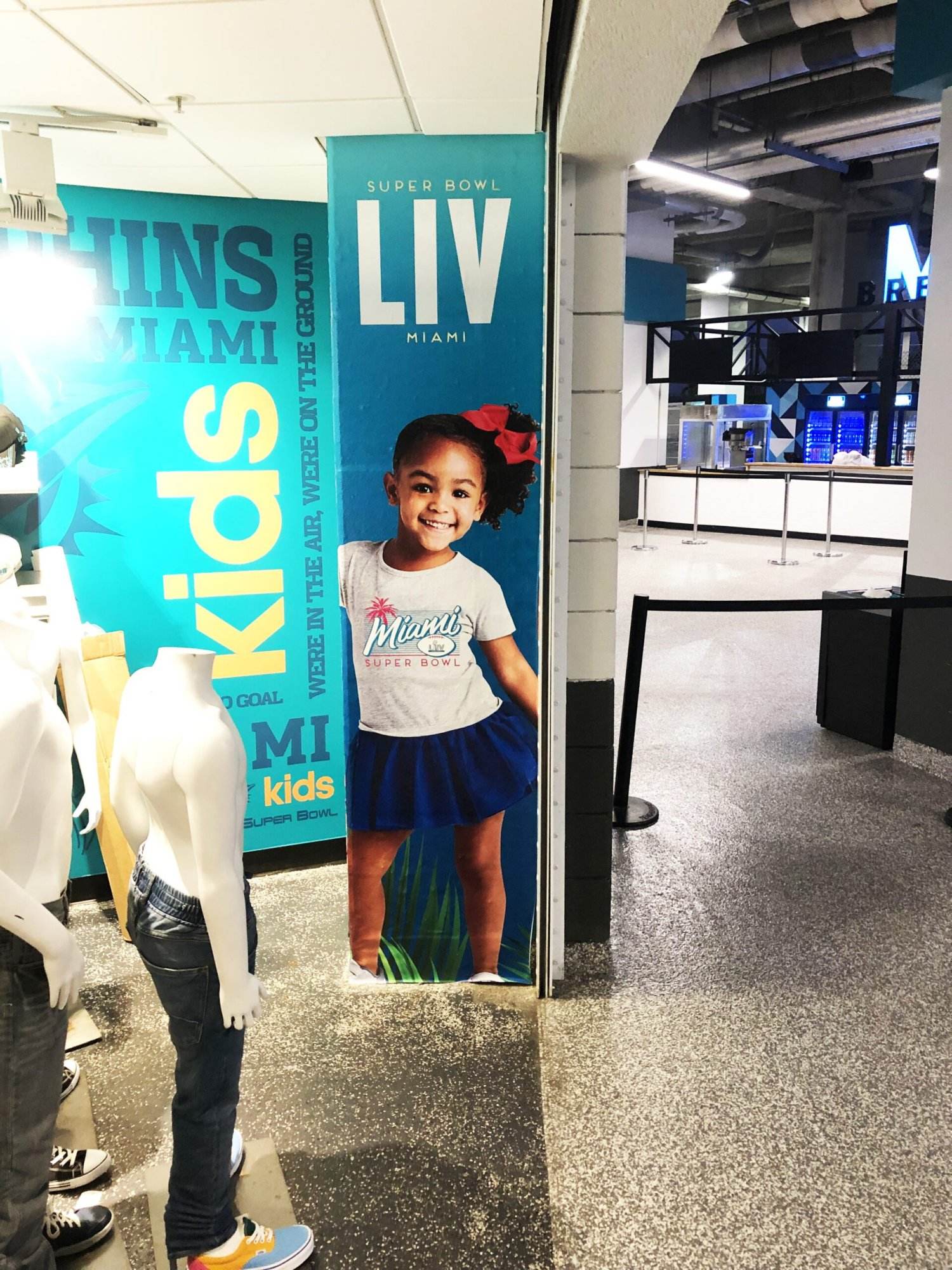
A Brickell sales presentation may move between a lobby, meeting room, and temporary event space. A light foam board can carry a plan or offer on an easel, while posters work when frames are already installed. Build the layout for the viewing distance: a dense chart can be read close up, but the welcome message cannot. Consider how the pieces will travel and who will set them up. If the board must stand without an easel, that support needs to be planned separately. Compare Foam board sign printing for more product details.
Match the board to the setting
Foam board is a lightweight indoor option. Coroplast is a fluted plastic format used for yard signs and temporary messages. Printed PVC sign boards use solid plastic, while aluminum-composite panels (ACP) provide a rigid panel with aluminum faces. These choices differ in edges, weight, finish and fastening. Ask for the construction that suits the display and exposure, rather than treating every printed board as interchangeable.
A Downtown conference welcome board, a clinic’s framed poster and a property leasing panel have different practical needs. Confirm whether the sign will hang, rest in a frame, stand on an easel or attach to a wall. For a pavement or A-frame display, send the existing holder’s usable panel dimensions and explain whether you need inserts or a complete display. Hardware and printed inserts should be quoted as separate parts where appropriate.
Send the finished size, quantity, single or double-sided artwork and where it will be used. If the design includes fine text or a QR code, review it at the intended viewing distance before approving the proof. Explore the sign types and materials guide for more permanent and temporary constructions.


Banners and feather flags for promotions
A Brickell event in a shared building may allow branding inside the venue but limit what can be hung outside. Establish the approved display points before designing a large banner or portable flag. A banner can define a check-in wall or photo area when supported properly; a flag can mark an interior arrival point if there is room around its base. Keep the message clear from the elevator or lobby approach. Transport, setup time, and property restrictions are part of the product choice.
For a Calle Ocho promotion or a neighborhood event, lead with one readable message and keep supporting text short. A pedestrian looking at a storefront can read more than someone passing in a car. Outdoor placement also brings wind, rain and sun into the material and mounting discussion. Confirm property permission and a suitable support before choosing where to display it.
Flags that move with your promotion
Custom feather flags offer a taller, narrower format for an entrance, sale or event. The printed flag, pole and base form one display system. A ground stake needs an appropriate soft surface; a paved area needs a suitable base. Tell us the ground conditions, available space and whether the display will be packed away or relocated.
Keep the flag message compact and confirm how the graphic should read on the chosen construction. Include the date, quantity, display dimensions and whether hardware is needed. For a Doral warehouse opening, banners and flags can promote the event while a separate permanent building sign handles long-term identification. We can quote both parts without confusing their production or approval schedules.

Portable displays, event backdrops and retail stands
A Brickell company hosting presentations in borrowed meeting rooms needs a display that can travel through elevators and be assembled without modifying the space. A compact banner stand may frame the speaker area; a larger backdrop could support photos or interviews if the room and transport allow it. Avoid putting a long service list where attendees see it from the back row. Measure floor space and sightlines, then choose hardware the team can set up and pack away.

Retractable banners and portable stands
Retractable banner stands keep a tall printed message with its portable support. They suit presentations, reception areas and events where the graphic must be set up and put away. Confirm the finished display size, hardware and carrying requirements. If you already own a stand, send its model and graphic dimensions before requesting a replacement print.

Step-and-repeat and event backdrops
A step-and-repeat backdrop creates a repeated logo background for photographs. The catalog includes 8-by-10-foot backdrop options too. Match the size to the photo area, number of people and available space. Confirm whether the quote includes the printed backdrop, stand and transport bag.

Trade-show booths and branded event pieces
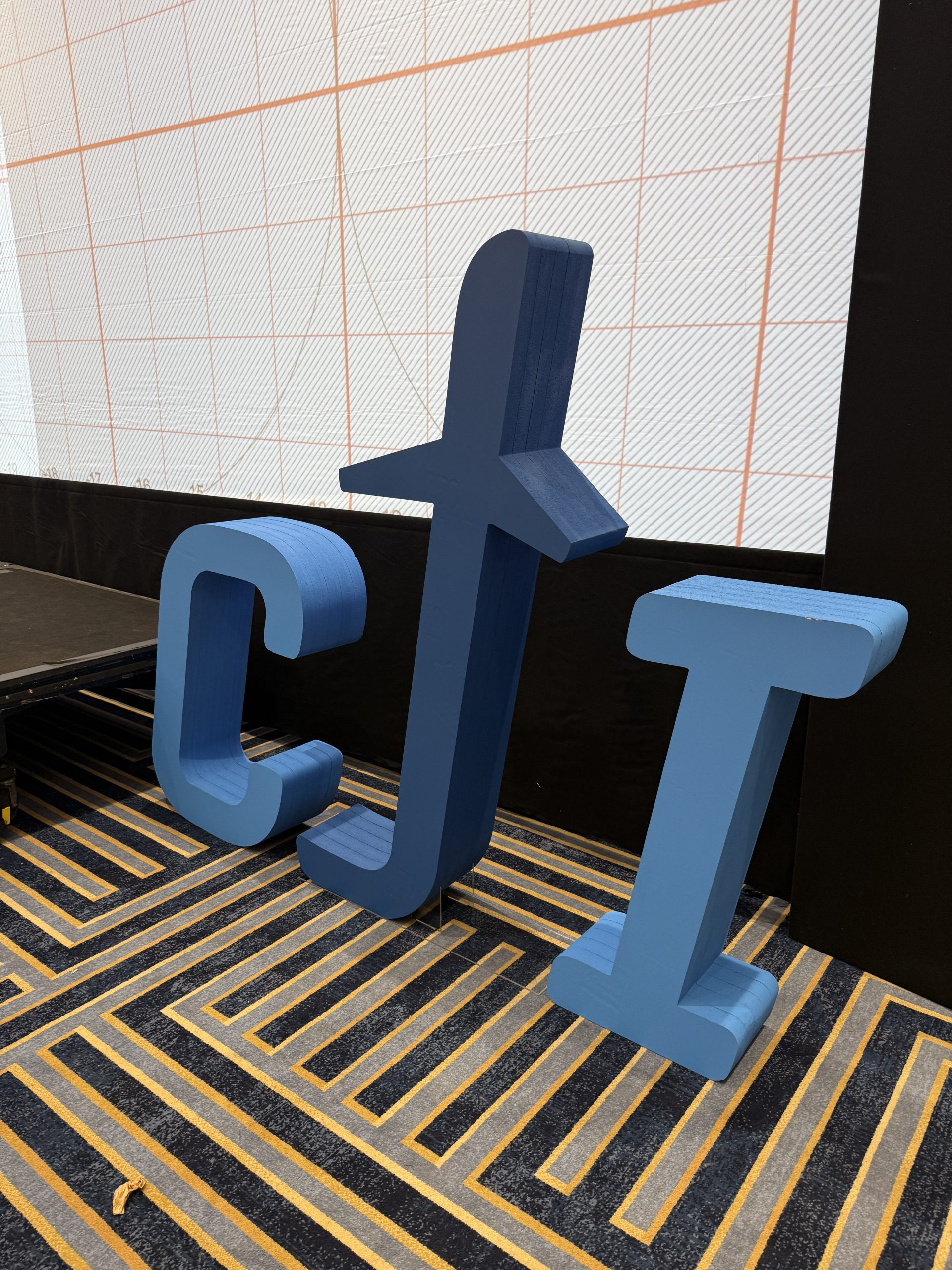
Trade-show display kits include options for different booth footprints. For a Miami event, start with the venue’s allocated area, layout rules and setup window. Backwalls, counters, brochure space and graphics should support what your team will demonstrate. Standing foam letters and branded photo-op displays can be considered alongside the printed pieces. Confirm stability, venue placement and transport, not only the face artwork.
Retail and point-of-purchase displays
Cardboard POP displays include floor and countertop formats for merchandising. Plan the product quantity, package dimensions, shelf load and replenishment access with the display artwork. A display that holds merchandise needs a structural review as well as an attractive print; it is different from a flat promotional board.
Branded tents and LED neon-style event signs
Canopy tents with a company logo and custom event tents add branded coverage to an event setup. Tell us which printed canopy parts, sidewalls and hardware you need. LED neon-style signs offer a different illuminated look for a logo or event message. Plan power access, support and transport with the graphic. These are separate display products, with their own construction and use requirements.


Business marketing can extend beyond the signs themselves. If the opening or event also needs printed handouts, menus or other collateral, include that in the request so the artwork and deadline can be coordinated across the order.
Decals, vehicle graphics and surface branding
A Brickell delivery or service business may park briefly in garages and loading areas where people see the vehicle from close range and at unusual angles. A restrained door graphic can establish identity without burying the name under a long list. If a fuller vehicle treatment is planned, map seams, handles, and windows from photographs of the actual model. Decals for interior glass or equipment should use materials chosen for those separate surfaces. Duration and cleaning practices matter to each application.
Vehicle graphics and removable branding
Vehicle lettering and graphics put a business name or service message on a car, van or fleet. Tell us whether you want a small identification graphic, larger panel graphics or a broader coverage review. Send the vehicle make, model, year and straight-on photos so seams, handles and windows can be considered. Magnets are another option for suitable metal surfaces; confirm the panel material and intended use before ordering.

Window, wall and door decals
Window graphics and decals can show hours, branding or promotions; frosted treatments can add privacy. Wall murals and decals cover a different surface and often a larger graphic area. Door wording needs particular care: opening hours, suite names and room labels should remain legible in the actual approach direction.


Floor and tabletop graphics
Floor decals can mark a route, event area or promotion, while tabletop graphics put branding on a usable surface. Tell us the substrate, cleaning routine, traffic and removal requirements. We review surface suitability and finish rather than promise the same result on every floor or table.

Labels, equipment and repeat messages
Small decals and labels can identify equipment or repeat an approved message across a facility. Supply the exact wording, dimensions, quantity and surface information. Where safety, accessibility or regulated information is involved, confirm the required content and applicable specification before approving production.
Project examples and ideas for Brickell
The Parkside Brickell sales-office reception sign uses half-inch acrylic, PMS-matched color and a matte finish. The raised letters give the approved logo depth on the wall. For your own Brickell reception area, compare that finish with the lighting and surrounding materials, then size the logo around the wall and visitor approach. View the Parkside Brickell project.
03 / PLAN YOUR PROJECT
From artwork and site review to production and handoff
- Define the need. Identify what the sign should help a customer, visitor, or team member recognize or do. Note where it will be installed, the intended audience, approximate size, quantity, and desired date.
- Share the site and artwork. For printed signs and displays, send the artwork, finished dimensions, quantity, display support and receiving destination. For installed signs, add the address, straight-on and approach photographs, wall or facade measurements, and known landlord, property, access or electrical conditions. Identify who will assemble a portable display or install a shipped sign.
- Compare the construction. Review material, finish, lighting, layers, mounting, component order, and any permit or field-work needs that apply. A site survey can be considered when measurements or field conditions need to be established.
- Approve the proof. Check the design, size, spelling, colors, construction, spacing, and mounting direction. Production follows the approved proof and confirmed project scope.
- Produce and plan the handoff. Titans fabricates the approved sign and reviews the finished work. Local installation is planned for the actual site; suitable signs can also ship nationwide with project-appropriate protection, instructions, templates, or hardware when appropriate.
Each project has its own scope. A permit, landlord review, engineering need, inspection, electrical connection, and installation access may introduce separate steps. Titans can handle or coordinate applicable permit and project requirements, but no authority or property approval is guaranteed. The Miami sign permit guide explains the local size limits, permit steps and official contacts.
Delivery and installation for Brickell projects
Most orders are shipped or delivered. Pickup is available at our Doral location, which is primarily a pickup point rather than a walk-in showroom. South Florida is our primary direct-installation market, with local work across Miami-Dade, Broward and Palm Beach. Installation elsewhere is reviewed and quoted for the sign and site.
For installed work, send the exact property address, sign-area photos, approximate dimensions and any landlord criteria. We can review site surveys, permitting and installation needs in the project scope. Electrical work requires a qualified electrician. Allow an additional four to eight weeks for permits when required, separate from fabrication; the reviewing authority determines approvals and review time.
Suitable shipped signs may include templates, instructions and hardware. Confirm who will measure the site, accept the delivery and complete installation before production. Explore all service areas or send the project through the detailed quote form.
What affects sign cost and project timing?
Custom sign pricing depends on the product, finished dimensions, quantity, material, finish, lighting, artwork preparation, mounting, shipping, permits, and installation scope. A useful quote begins with enough information to distinguish fabrication-only work from a project that also needs design, site review, permitting support, or field installation. The general minimum order is $80; product-specific scope and exceptions are confirmed in the quote.
Printed posters, boards, banners, decals and portable displays have product-specific schedules; they do not automatically take the same time as a fabricated building sign. Tell us the deadline and whether artwork and hardware are ready so the quote can confirm production and delivery. For planning, typical custom dimensional sign work is roughly two to three weeks, metal sign projects are roughly two to four weeks, and some channel-letter work may take three to four weeks or longer. These are general ranges, not guarantees. Artwork readiness, proof approval, material selection, quantity, engineering, permits, electrical coordination, access, shipping, and installation can change the overall schedule. Allow an additional four to eight weeks for permits on projects that need them, separate from fabrication. Review time and approvals depend on the property, submission and jurisdiction.
Need a rush order?
Tell us the date you need the finished product when you request the quote. We work with customers on rush orders and try to accommodate the item and schedule. Some items can be eligible for same-day, next-day or three-day rush production. Availability depends on the product, quantity, materials, artwork and current workload. Custom fabricated or illuminated signs need a separate schedule review, especially when permits or installation are involved.
Warranty, repairs and maintenance
Some products carry a one-year warranty. If longer coverage matters for your project, ask before choosing the materials and lighting components: options with extended warranties are priced accordingly. We can pass along only the coverage available for the products used. Powder-coated metal items and signs using premium LED vendors tend to offer the longest warranty options, with the exact term and coverage confirmed for the selected product.
Titans can also help repair and maintain all of the products we supply. That help is available beyond a warranty discussion; it does not mean every repair or maintenance visit is included at no charge. Share a photograph, the product details and what needs attention so we can review the appropriate service and cost.
For a quote, share the artwork, intended location, approximate dimensions, quantity and target date. Let us know if you need shipping, delivery or installation, and whether rush production or a longer warranty is a priority. Those choices belong in the scope from the beginning.
Questions about signs in Brickell
Can you make exterior and reception signs feel related?
Yes. The artwork, colors, and logo can carry across a coordinated set while the letter size, material, lighting, and mounting change for each location.
What should a tower tenant confirm first?
Ask property management for sign criteria, approved sign zones, mounting and access rules, work hours, and any approval steps. Send those documents with the site photos and dimensions.
Can an illuminated sign be installed by the sign team?
The sign installation and electrical connection are separate scopes. Titans can coordinate the project; a qualified electrician performs electrical work.
See signs made for South Florida businesses
Watch Titans of Print sign work, then tell us which product, finish or lighting effect suits your business.
For a quote, tell us which sign type or finish you noticed and include your location photographs and measurements.

Get a quote for your Brickell signs
Tell Titans what you need customers or visitors to see, where the sign will go, and what you already know about the site. Include artwork, photos, approximate dimensions, quantity, desired timing, and any property or installation requirements. The team can review the information and help route the request to the right sign category and next step.
Request a sign quote or use the detailed form on this page.


