


More than 65 percent of American shoppers judge a retail business based on the quality of its interior signage. In Miami, where every detail influences brand loyalty, smart signage decisions shape both first impressions and long-term customer relationships. Marketing managers and business owners seeking clear solutions will find practical strategies here to enhance visibility and elevate the experience for everyone who walks through the door.
Table of Contents
- Defining Commercial Interior Signage Solutions
- Major Types and Key Distinctions Explained
- Design, Materials, and ADA Compliance
- Miami Rules, Permits, and Legal Pitfalls
- Cost Drivers, Common Errors, and Pro Tips
Key Takeaways
| Point | Details |
|---|---|
| Signage as Branding Tool | Effective commercial interior signage enhances brand identity and creates immersive customer experiences. |
| Types of Interior Signs | Key categories include wayfinding, informational, and branding signs, each serving distinct communication purposes. |
| Design and Compliance | Thoughtful design principles and ADA compliance are essential for functional signage that caters to all users. |
| Local Regulations | Understanding Miami’s signage regulations and permitting processes is crucial to avoid legal complications and fines. |
Defining Commercial Interior Signage Solutions
Commercial interior signage represents a strategic communication tool that transforms physical spaces into powerful brand storytelling platforms. These carefully designed visual elements do more than simply provide wayfinding information they create immersive experiences that connect businesses with their audiences. From lobby displays to directional markers, interior signage communicates an organization’s identity, professionalism, and core values.
Within the Miami business landscape, commercial interior signage solutions encompass a wide range of design strategies and materials. Three essential types of indoor signs for business include informational signs, directional signs, and identification signs. Each category serves a unique purpose in creating a cohesive and functional environment. Informational signs communicate critical details about spaces, directional signs guide visitors through complex buildings, and identification signs mark specific areas or departments with clear, branded messaging.
The effectiveness of commercial interior signage depends on thoughtful design principles that integrate visual aesthetics with practical functionality. Successful signage solutions consider factors like typography, color psychology, material selection, and brand consistency. Businesses in South Florida, from Coral Gables to Wynwood, understand that well-executed interior signage can transform a mundane space into a dynamic brand experience that engages customers and employees alike.
Pro tip: When designing commercial interior signage, always consider your brand’s color palette and ensure consistent typography to create a unified visual language throughout your space.
Major Types and Key Distinctions Explained
Commercial interior signage encompasses several distinct categories, each serving unique communication and functional purposes within business environments. How to design effective commercial building signs reveals the strategic complexity behind these visual communication tools. Wayfinding signs, informational signs, and branding signs represent the primary classifications that help organizations create comprehensive interior communication strategies.
Wayfinding signs are critical navigation elements that guide visitors through complex spaces like corporate offices, hospitals, educational institutions, and large commercial facilities in South Florida. These signs typically include directional markers, room number indicators, floor level signs, and zone identifiers. They utilize clear typography, high-contrast colors, and intuitive design principles to help people efficiently navigate unfamiliar environments. In Miami’s dynamic business landscape, wayfinding signage becomes particularly important in multilevel office buildings and mixed-use commercial spaces.

Informational and branding signs serve complementary yet distinct roles in interior communication. Informational signs provide essential details about rules, regulations, safety protocols, and operational guidelines. Branding signs, conversely, focus on reinforcing organizational identity through strategic visual elements like logo displays, mission statement presentations, and branded environmental graphics. These signs transform generic spaces into immersive brand experiences that communicate corporate culture, values, and professional standards.
Pro tip: When designing interior signage systems, create a comprehensive style guide that ensures visual consistency across different sign types and locations to maintain a cohesive brand experience.
Here’s a comparison of the three main types of commercial interior signage and their core business impacts:
| Sign Type | Main Purpose | Typical Locations | Business Impact |
|---|---|---|---|
| Wayfinding | Directs foot traffic | Lobbies, hallways | Improves visitor experience |
| Informational | Communicates details | Conference rooms, exits | Promotes safety and clarity |
| Branding | Reinforces identity | Reception areas, walls | Strengthens brand perception |
 3d pvc offcie wall sign office signs 2 (6)
 3d pvc offcie wall sign office signs 2
 Solid aluminum signage brushed with full color spot gloss print (4)
 Brushed metal reception lobby channel letter signs (21)
 Fabricated channel letter signs with brushed metal face (25)
 Fabricated channel letter signs with brushed metal face (26)
 Aluminum metal 3d signs for fashion brands (7)
 Metal 3d office signs rustic aluminum raised with spacers (15)
 Marble printed acrylic with gold acrylic 3d logo and gold stand offs (1)
 Layred 3d acrylic shaped sign (7)
 3d office signage white label reseller
 Gold metallic and mirror acrylic sign laser cut and layered (4)
 Gold metallic and mirror acrylic sign laser cut and layered (11)
 Aluminum metal 3d signs for fashion brands (2)
 Acrylic painted silver and blue
 Multilayer oval full color acrylic lobby sign
 3d layered acrylic corvette sign for car shop (4)
 Multilayer oval full color acrylic lobby sign 2 (8)
 IMG_5212
 Indoor led lit channel letter sign with edge lit halo and printed pvc face (21) copy


Design, Materials, and ADA Compliance
Designing commercial interior signage requires a sophisticated balance of aesthetic appeal, functional effectiveness, and legal compliance. Understanding ADA compliant signs reveals the critical importance of creating accessible visual communication solutions that meet both design excellence and regulatory standards. Design principles, material selection, and accessibility requirements form the foundational framework for creating impactful interior signage systems.
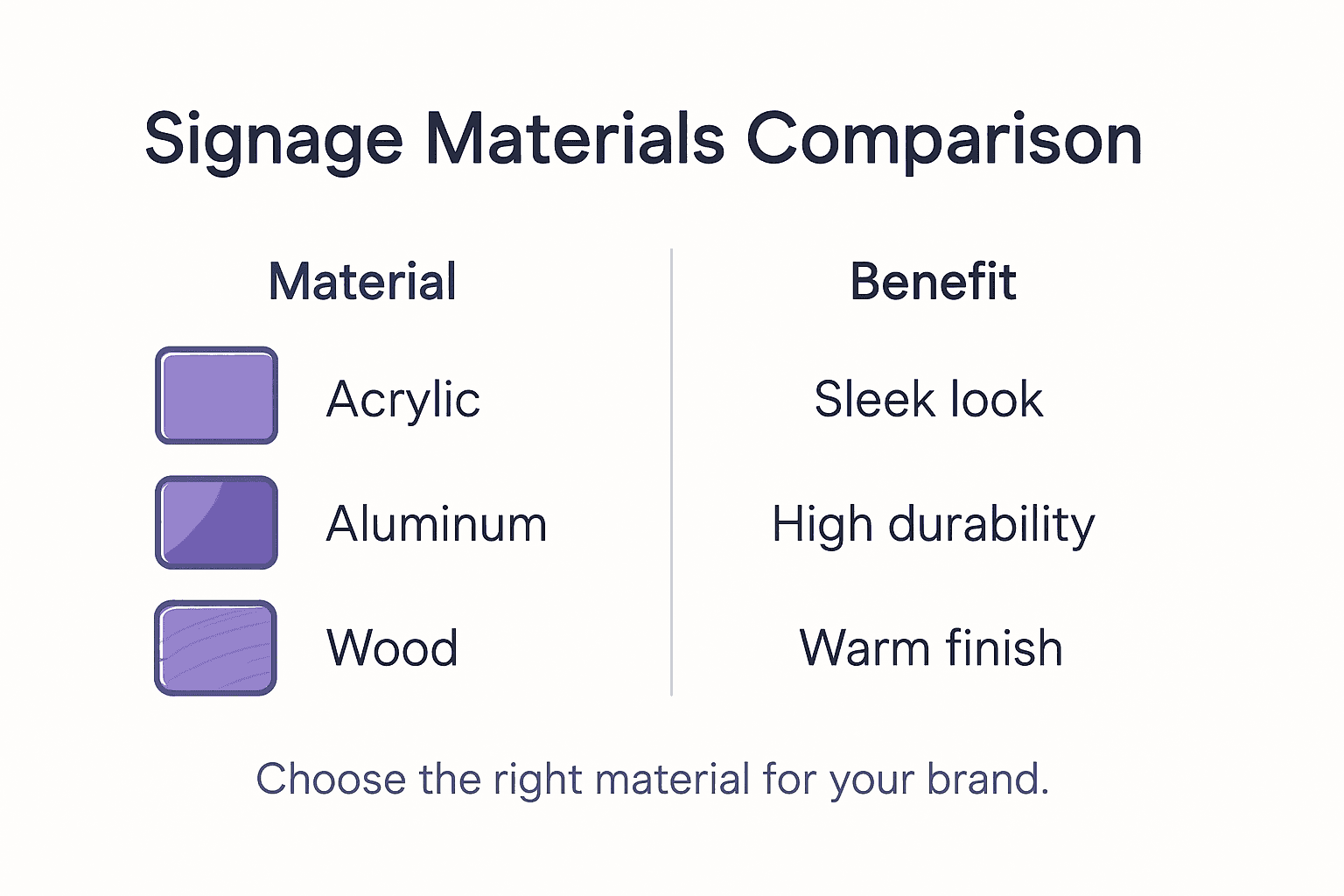
Material selection plays a pivotal role in determining the durability, aesthetic quality, and performance of commercial interior signs. Businesses in South Florida typically choose materials like acrylic, aluminum, wood, and digital printed substrates that offer versatility and visual impact. Each material brings unique characteristics: acrylic provides a sleek modern appearance, aluminum ensures durability, wood offers warmth and texture, and digital prints allow for complex graphic representations. The selection process involves considering factors such as environmental conditions, maintenance requirements, budget constraints, and brand aesthetic.
ADA compliance represents a non-negotiable aspect of commercial interior signage design. These regulations mandate specific requirements for sign height, character size, color contrast, tactile lettering, and mounting locations to ensure accessibility for individuals with visual, mobility, and cognitive disabilities. In Miami’s diverse business environment, understanding and implementing these guidelines is not just a legal obligation but a demonstration of organizational inclusivity and social responsibility. Successful ADA-compliant signage integrates seamlessly with overall design principles, creating informative and welcoming interior environments that serve all users effectively.
Pro tip: Work with a professional signage designer who specializes in ADA compliance to ensure your interior signs meet all regulatory requirements while maintaining your brand’s visual identity.
Below is a summary of common commercial interior signage materials and their characteristics:
| Material | Visual Appeal | Durability | Best Use Cases |
|---|---|---|---|
| Acrylic | Sleek and modern | Moderate, scratches | High-traffic public spaces |
| Aluminum | Polished and sturdy | Excellent, rust-free | Exterior/interior transitions |
| Wood | Warm and textured | Variable, can warp | Offices, boutique shops |
| Digital Print | Highly customizable | Depends on substrate | Branding, specialty graphics |
Miami Rules, Permits, and Legal Pitfalls
Navigating the complex landscape of commercial signage regulations in Miami requires meticulous attention to local legal requirements and permitting processes. Signage and Permit Regulations in Miami-Dade County highlight the intricate framework businesses must understand before installing any exterior or interior signage. Permit requirements, zoning restrictions, and compliance documentation form the critical components that businesses must carefully manage to avoid potential legal complications.
The permitting process in Miami-Dade County involves multiple layers of regulatory oversight. Businesses must submit comprehensive design plans that demonstrate compliance with building codes, electrical standards, zoning regulations, and local aesthetic guidelines. Each type of sign requires specific documentation, including detailed engineering drawings, material specifications, and proof of structural integrity. Local jurisdictions like Miami Beach and Coral Gables often impose additional requirements, particularly in historic districts where signage must maintain architectural compatibility and preserve neighborhood character.
Legal pitfalls can be substantial for businesses that overlook permitting requirements. Non-compliance can result in significant financial penalties, including hefty fines, mandatory sign removal, and potential business operation disruptions. The most common mistakes include installing signs without proper permits, exceeding permitted size limitations, using unauthorized illumination techniques, or failing to meet ADA accessibility standards. Businesses in South Florida must remain vigilant, understanding that each municipality may have unique requirements that extend beyond standard county regulations.
Pro tip: Consult with a local signage permit specialist who understands Miami-Dade County regulations to ensure your sign installation process is smooth and fully compliant with all local requirements.
Cost Drivers, Common Errors, and Pro Tips
Understanding the financial and strategic landscape of commercial interior signage requires careful navigation of potential pitfalls and cost considerations. Do You Need a Permit for Installing a Business Sign reveals critical insights into the hidden expenses that can dramatically impact project budgets. Material selection, design complexity, and regulatory compliance represent the primary cost drivers that businesses in Miami must strategically manage.
Material choices significantly influence overall project expenses and long-term performance. Businesses often underestimate the total cost of ownership by focusing solely on initial fabrication expenses. Acrylic signs might seem economical upfront but can deteriorate quickly in South Florida’s humid environment, requiring premature replacement. Professional-grade materials like marine-grade aluminum or high-durability polymers might cost more initially but provide superior longevity and reduced maintenance expenses. Additional cost factors include custom fabrication techniques, specialized printing processes, complex mounting requirements, and the need for professional installation services.
Common errors can transform a seemingly straightforward signage project into a financial nightmare. Frequent mistakes include inconsistent branding across different sign types, poor wayfinding design that reduces spatial efficiency, and non-compliance with ADA regulations that trigger expensive redesigns and potential legal penalties. Businesses in Miami must anticipate potential challenges by developing comprehensive sign schedules, conducting thorough site assessments, and integrating accessibility standards from the project’s initial conceptualization. Strategic planning can help mitigate unexpected expenses and ensure a cohesive, compliant interior signage solution.
Pro tip: Create a detailed project scope document that includes material specifications, installation requirements, and compliance checklists to prevent costly miscommunications and unexpected expenses.
Elevate Your Brand with Expert Commercial Interior Signage Solutions
Businesses in Miami face the challenge of creating interior signage that not only guides visitors clearly but also tells their unique brand story with consistency and impact. This article highlights key pain points such as ensuring ADA compliance, choosing durable materials, and designing cohesive signage systems that enhance professionalism and customer experience. If you want to avoid costly mistakes and transform your office or retail space into an inviting brand environment, it is crucial to work with trusted experts who understand these complexities.
At Titans of Print, we specialize in comprehensive commercial interior signage that balances aesthetics, functionality, and compliance. From acrylic logo lobby signs to wayfinding markers, we provide tailored solutions that reflect your brand identity and meet Miami’s regulatory requirements. With our expertise in manufacturing, permit pulling, and professional installation, you can confidently create a seamless signage experience that captures attention and supports your business goals. Ready to take the next step for your business? Discover how our full range of signage and printing services can bring your vision to life by visiting Titans of Print. Explore detailed options and start your project now with trusted professionals who deliver quality and compliance at every stage.
Learn more about effective signage design and compliance guidance on how to design effective commercial building signs and ensure every element aligns perfectly with your brand and legal standards.
Frequently Asked Questions
What are the main types of commercial interior signage?
Commercial interior signage primarily includes wayfinding signs, informational signs, and branding signs. Wayfinding signs help guide visitors through complex environments, informational signs provide critical details about rules and regulations, while branding signs reinforce an organization’s identity.
How does ADA compliance impact commercial interior signage design?
ADA compliance is crucial in commercial interior signage design as it ensures accessibility for individuals with disabilities. Signs must meet specific requirements regarding height, character size, color contrast, and mounting locations to promote inclusivity.
What materials are commonly used for commercial interior signage?
Common materials for commercial interior signage include acrylic for a sleek appearance, aluminum for durability, wood for warmth, and digital prints for customizable graphics. Each material offers unique benefits suited for different environments and applications.
What factors should businesses consider when designing interior signage?
When designing interior signage, businesses should consider typography, color psychology, material selection, and brand consistency. These elements play an essential role in creating an appealing and effective signage system that communicates the organization’s values and identity.