7 Proven Steps to a Winning Signage Branding Strategy
Richard June 24, 2025 0 comments
First impressions shape buying choices in seconds, and a clear signage branding strategy makes those moments work for you. Picture a busy downtown block: vivid channel letters, eye-catching vinyl banners, and finely printed brochures all compete for attention. When every touchpoint looks and feels coordinated, your story stays with the viewer. Below are seven detailed steps—rooted in design psychology, material science, and large-format printing—to turn signs and print into a unified brand powerhouse.
1 · Define Your Visual Core
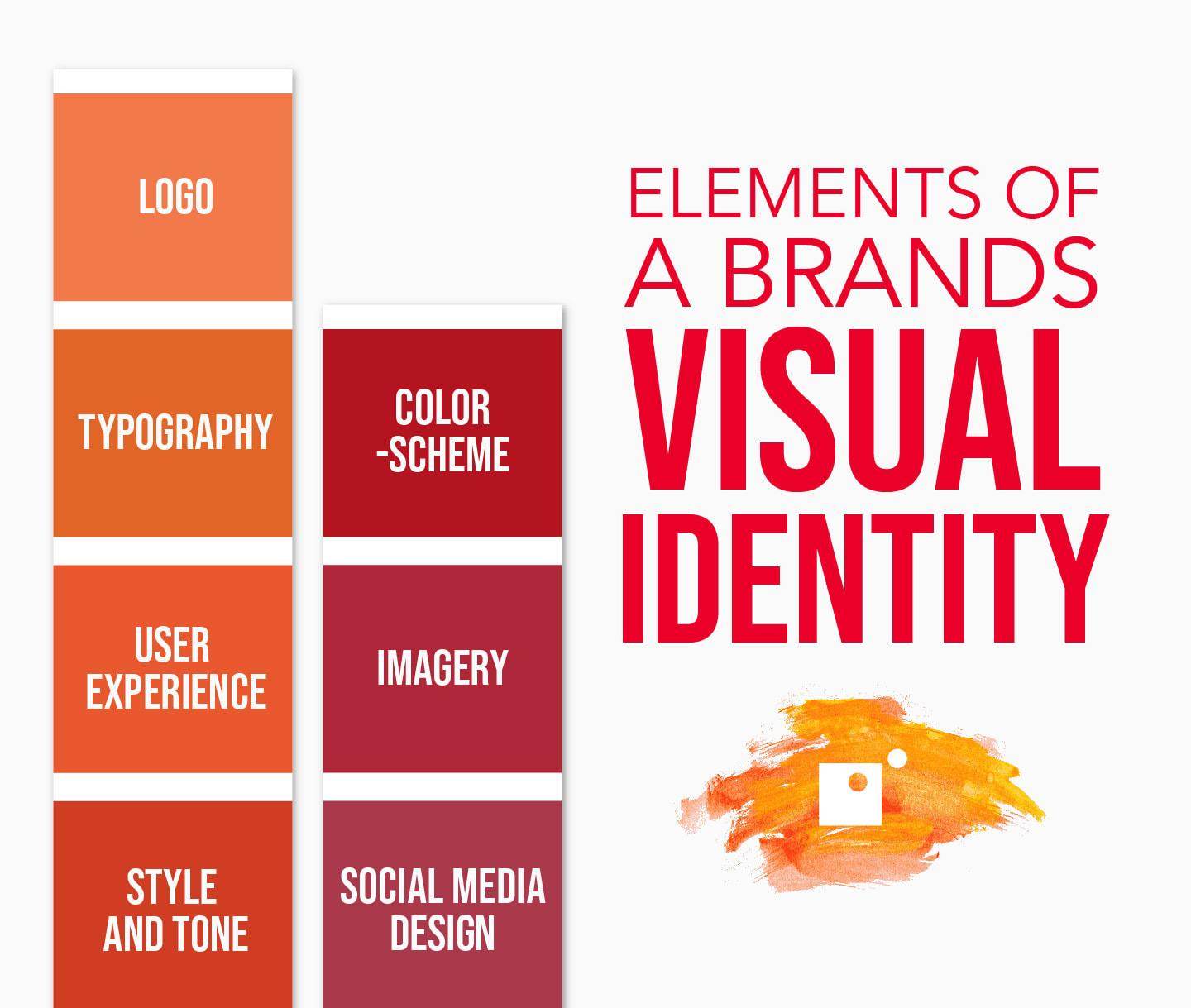
The cornerstone of any signage branding strategy is a documented visual core. Start by creating a digital mood board that locks down:
Primary palette: Exact CMYK, RGB, and Pantone values.
Type hierarchy: Headline, subhead, and body fonts tested at 40 ft on LED signs and at 9 pt on business cards.
Icon rules: Thin-line vs. solid, stroke thickness, and approved angles.
Logo clear-space: Minimum margins so nothing crowds the mark on backlit acrylic or embroidered polos.
With these specs locked, designers avoid mismatched rack cards and print vendors know exactly how to reproduce colors on PVC, ACM, or fabric.
2 · Master Color Psychology on Every Surface
Color influences attitude faster than text. A PRINTING United Alliance study shows consistent color use lifts brand recognition by 80 percent. Pick hues that match your promise:
Hue
Key Emotion
Best Signage Use
Blue
Trust, stability
Financial offices, medical clinics
Magenta
Energy, creativity
Marketing agencies, beauty salons
Green
Health, eco-focus
Organics shops, wellness brands
Gold
Prestige, heritage
Jewelry stores, law firms
Apply these tones across channel letters, window graphics, brochures, and website accents. Use a broad-spectrum laminate or UV-cured inks so outdoor hues resist the Miami sun.
3 · Choose Materials That Match Your Message
The substrate speaks as loudly as the design. Evaluate:
Environment: PVC and coroplast warp in high heat; aluminum composite stays true.
Longevity: Foam board lasts 48 hours at an expo; powder-coated aluminum endures five-plus years outside.
Modern print meets data. Add dynamic QR codes or vanity URLs to every asset and monitor scans and visits with Google Analytics or Matomo. Pair those metrics with offline data—walk-in counts, call logs—to see which signage placements convert best. If a vinyl banner over Biscayne Boulevard produces twice the scans of a Brickell window cling, shift budget accordingly.
UTM codes: Append to landing-page links for granular tracking.
Variable QR codes: Update destinations without reprinting.
A/B test headlines: Rotate two vinyl banners; keep the higher-pull version.
7 · Document a Living Style Guide
Store every rule in a shared cloud doc or brand portal:
Logo variations (full color, single color, reverse).
Exact hex, RGB, CMYK, and Pantone values.
Approved substrates and minimum thicknesses.
Embroidery stitch counts for uniforms.
Photography presets (saturation, white balance).
Review quarterly to ensure new product lines or partnerships remain on-brand.
Ready to Stand Out?
Put these seven steps to work and watch recall rise. Need fabrication or design help? Get your free quote—Titans of Print produces everything from LED channel letters to silk-laminated business cards that travel nationwide.
Frequently Asked Questions
How does color consistency affect brand recognition?
Using identical hues on signs, brochures, and websites builds familiarity, speeding up recognition and trust.
What’s the ideal material for long-lasting outdoor signs?
Aluminum composite (ACM) resists corrosion, and when paired with UV-cured inks it can last five to seven years outdoors.
How often should printed collateral be updated?
Audit collateral annually or after any major re-brand to ensure fonts, colors, and messaging remain aligned.