Short answer: There is no single lifespan for a “vinyl sign.” A graphic can remain useful for years indoors on a compatible, stable surface; outdoor prints, banners, window films and vehicle graphics age differently. The exact film, print and laminate system, orientation, substrate, installation, sunlight, weather and cleaning all matter. Use the manufacturer’s rating for the specific product and conditions as a planning reference—not a promise for the finished sign.
“Vinyl sign” can mean cut lettering, printed adhesive film, a banner, a window graphic or a print mounted to a rigid panel. Those builds do not share one service-life estimate. Start with the location, viewing direction, surface and intended time in service, then select a material system for that use.
A published durability figure usually belongs to a named film under stated exposure and application conditions. A finished printed graphic also depends on compatible ink, drying or curing, overlaminate when specified, surface preparation, installation and maintenance. The number on a film data sheet should not be presented as a guaranteed life for every completed sign.
This guide explains how to compare material ratings, identify the factors most likely to shorten a graphic’s useful life, and ask for a specification that fits the job—from a temporary event banner to a long-term storefront or fleet application.
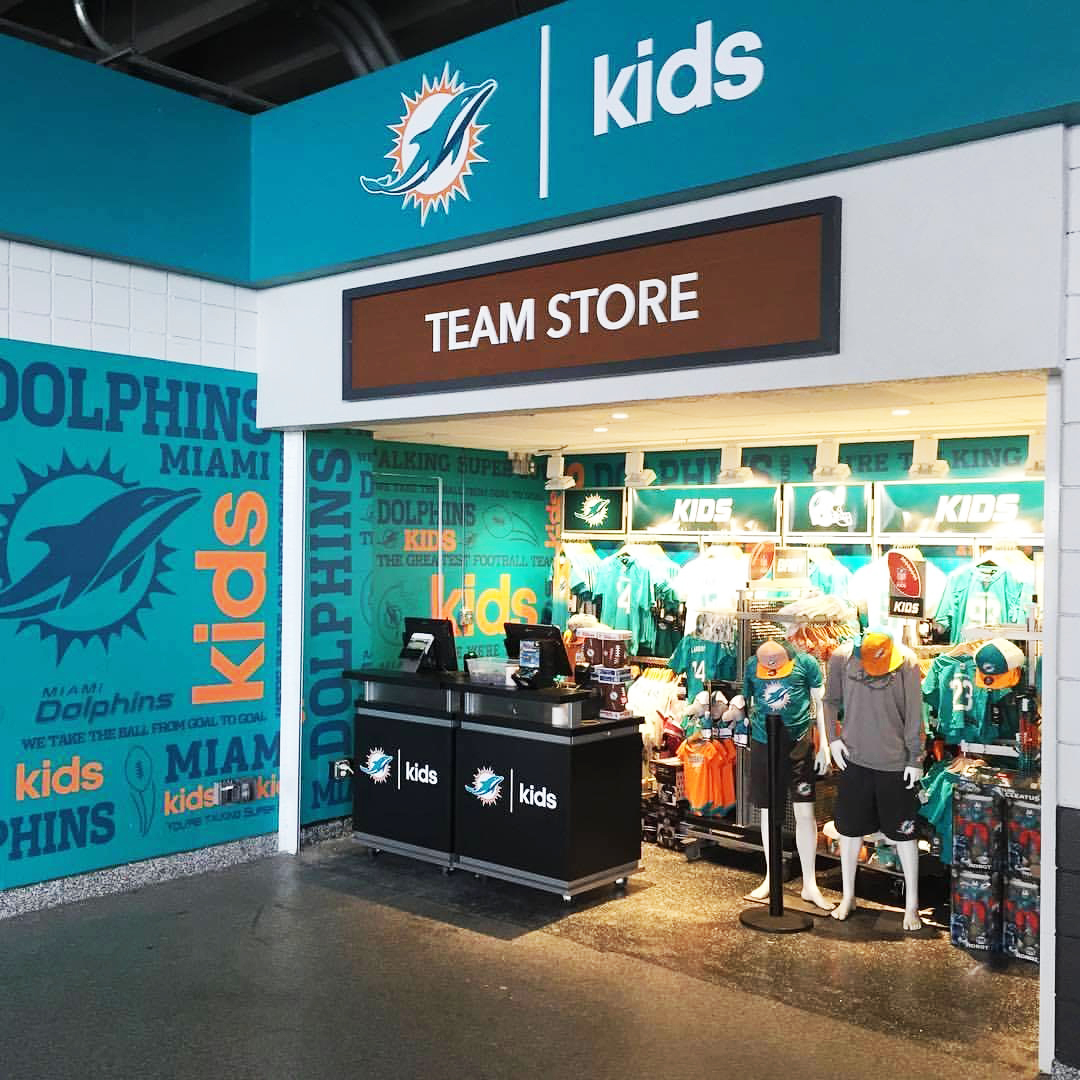
First-party Titans wall-wrap and storefront project photo.
MATERIALS AND CONSTRUCTION
Start with the material and application
1. What Are Vinyl Signs Made Of?
Many adhesive sign films are PVC-based, but “vinyl sign” describes several different products: plotter-cut lettering film, printable adhesive film, banner substrate and specialty films for windows, walls or floors. Their face films and adhesives differ, so the use and surface should be identified before comparing durability.
Cut film: solid-color lettering and shapes transferred with application tape; there is no printed ink layer.
Printed adhesive film: full-color artwork printed on a compatible film. The ink and film combination must be prepared for the intended exposure.
Overlaminated when specified: a compatible clear film can add protection such as abrasion resistance and color longevity; the right product depends on the graphic and exposure.
Vinyl can be applied to walls, windows, vehicles, banners, or boards like PVC, aluminum, or ACM.
2. Common Types of Vinyl Signs
Cut Vinyl (Solid Color): Used for lettering, logos, and decals. Often applied to windows, doors, and vehicles.
Printed Vinyl: Full-color designs printed on white or clear vinyl. Can be used on banners, boards, or window graphics.
Vehicle Wrap Vinyl: Specialized cast vinyl that conforms to curves and contours of cars, trucks, and vans.
Banner Vinyl: Heavy-duty vinyl material used for hanging banners and temporary signs.
Wall and Floor Graphics: Designed with special adhesives for interior surfaces.
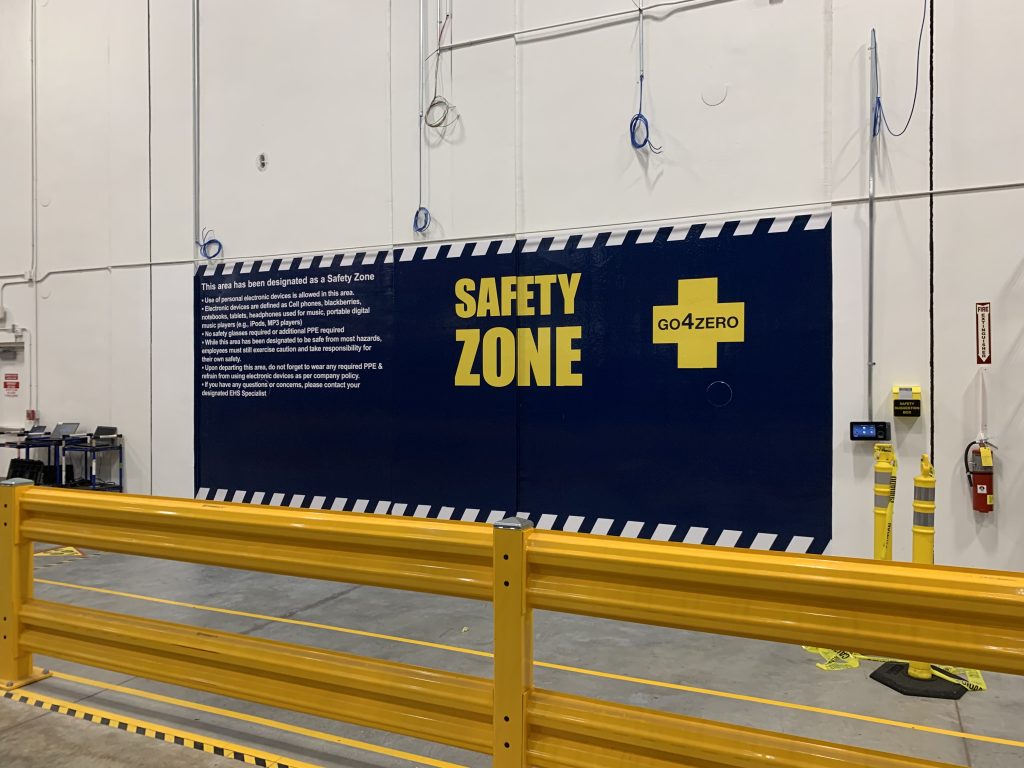
A large wall mural and safety graphics cover an indoor facility wall.
3. How Long Do Indoor vs Outdoor Vinyl Signs Last?
There is no universal indoor lifespan. Stable interiors usually reduce direct weather exposure, but sunlight through glass, heat, cleaning, wall texture, paint condition and adhesive compatibility still affect the result.
For wall decals and window graphics, confirm whether the face will receive direct sun, frequent cleaning or contact, and whether the film is removable from that surface.
Outdoor Vinyl Signs:
Do not use a broad average without naming the film and test conditions. Ask for the exact product’s vertical or horizontal outdoor durability rating and note the region, color, orientation and surface.
A matched print-and-overlaminate system may improve protection, but the laminate does not turn a film rating into a guaranteed finished-sign lifespan. Check the manufacturers’ combination guidance and warranty terms.
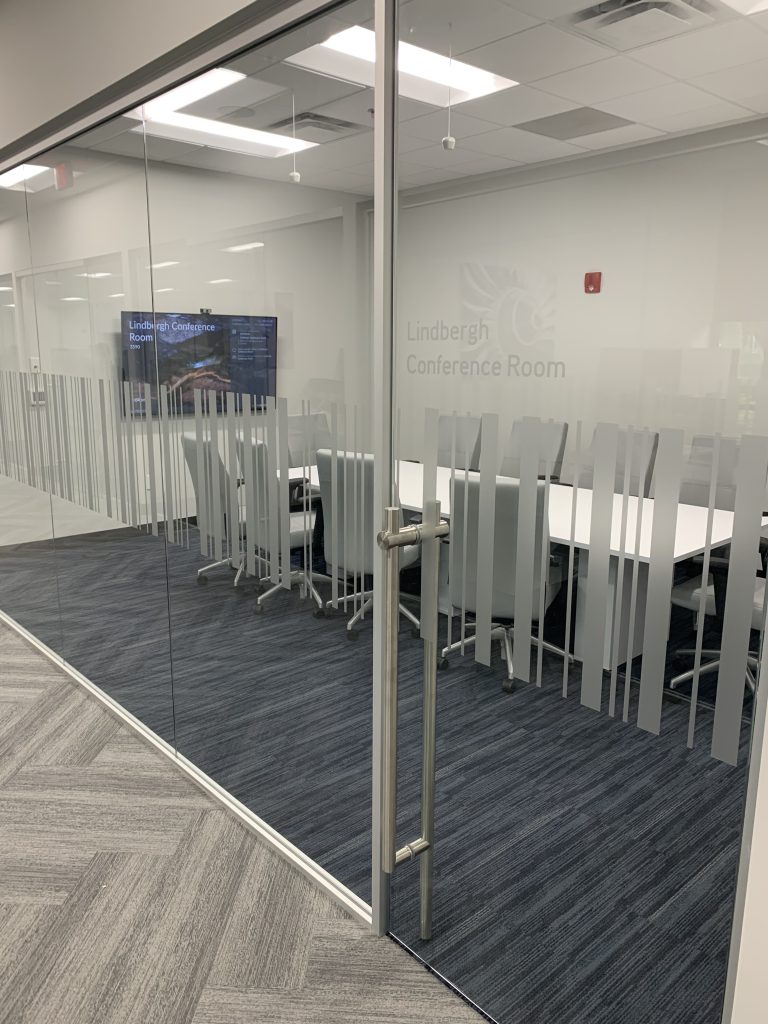
Frosted window film adds privacy while letting light pass through the conference-room glass.
4. Cast Vinyl vs Calendered Vinyl: Which Lasts Longer?
Cast and calendered describe how films are made; the label alone does not set the life of a finished sign. Cast films are commonly selected when a job needs to conform around curves or recesses. A suitable calendered film may be appropriate for flat or simple-curved applications. Check the specific product data sheet for the surface, use and exposure.
Published example
What the maker reports
Conditions to keep in view
ORACAL 751C high-performance cast film
Its product information lists different maximum outdoor durability by color category, from 3 years for certain gold colors to 8 years for black and white.
Vertical outdoor exposure, professional application and the manufacturer’s stated climate and care conditions; this is not a rating for every printed/laminated sign.
3M Scotchcal 3650 film
The product bulletin lists vertical outdoor durability by color and exposure zone, with ratings that vary across the zones.
The bulletin describes unprocessed film; it notes that non-vertical exposure can significantly reduce durability and that finished-graphic warranty terms are separate.
These examples show why a single “cast lasts X years, calendared lasts Y” table is misleading. Compare the exact film, color, orientation and manufacturer guidance for the proposed build. Read the ORAFOL ORACAL 751C product information and the 3M Scotchcal 3650 product bulletin for their stated limits.
LIFESPAN FACTORS
Match printing, protection and exposure
5. Printing Methods & Finishes That Impact Lifespan
The printing process used on vinyl plays a big role in how long it lasts:
Solvent / eco-solvent printing: confirm that the ink has fully dried as directed and is compatible with the selected film and finish. The print process alone is not a lifespan rating.
Latex printing: the expected performance depends on the printer-media combination and correct processing; the word “latex” alone does not establish outdoor service life.
UV-curable printing: this describes how the ink is cured. It does not by itself prove that a vinyl graphic is UV-proof or best for long-term outdoor use; ask for the print system’s product data and intended exposure.
A compatible overlaminate can provide protection and color longevity for digitally printed graphics, especially in exterior applications. It should be chosen as part of a tested or recommended film, ink and laminate system—not added as a universal fix. See Avery Dennison’s overlaminate overview.
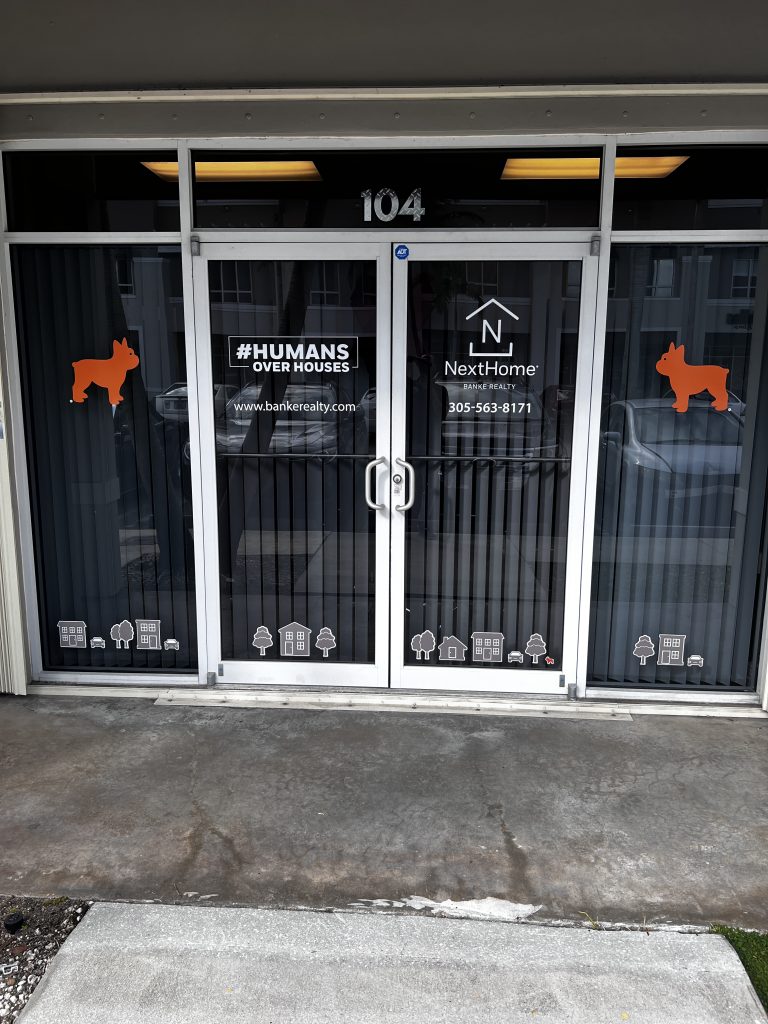
Storefront window vinyl combines business branding with customer-facing information.
6. How UV Exposure Affects Vinyl Signs
Sunlight is one of vinyl’s biggest enemies. Over time, UV rays can cause:
Fading of printed colors
Drying and cracking of vinyl surface
Shrinking of vinyl edges
South Florida sun, heat, rain and humidity make the exposure description important. Give the sign maker its orientation, shading and surface conditions, then ask which specific film and print-protection combination is recommended for that use.
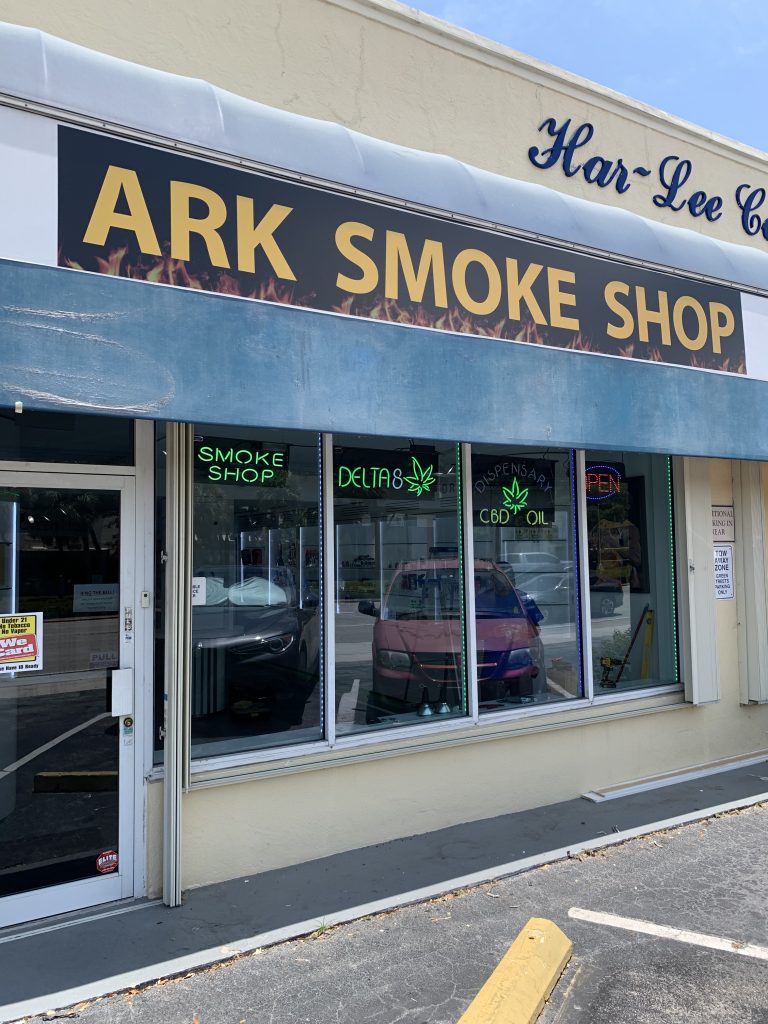
Outdoor storefront graphics face direct sun, rain, cleaning and other exposure that indoor graphics may avoid.
A short-term graphic with low abrasion and a product system intended for that use.
An indoor application with limited sunlight, contact and cleaning.
Confirm the choice against the film and print-maker’s guidance; duration alone is not enough to decide.
There is no dependable number of extra years that applies to every laminate. Ask whether the quoted system is tested or warrantied together, what protection the overlaminate adds, and what conditions are excluded.
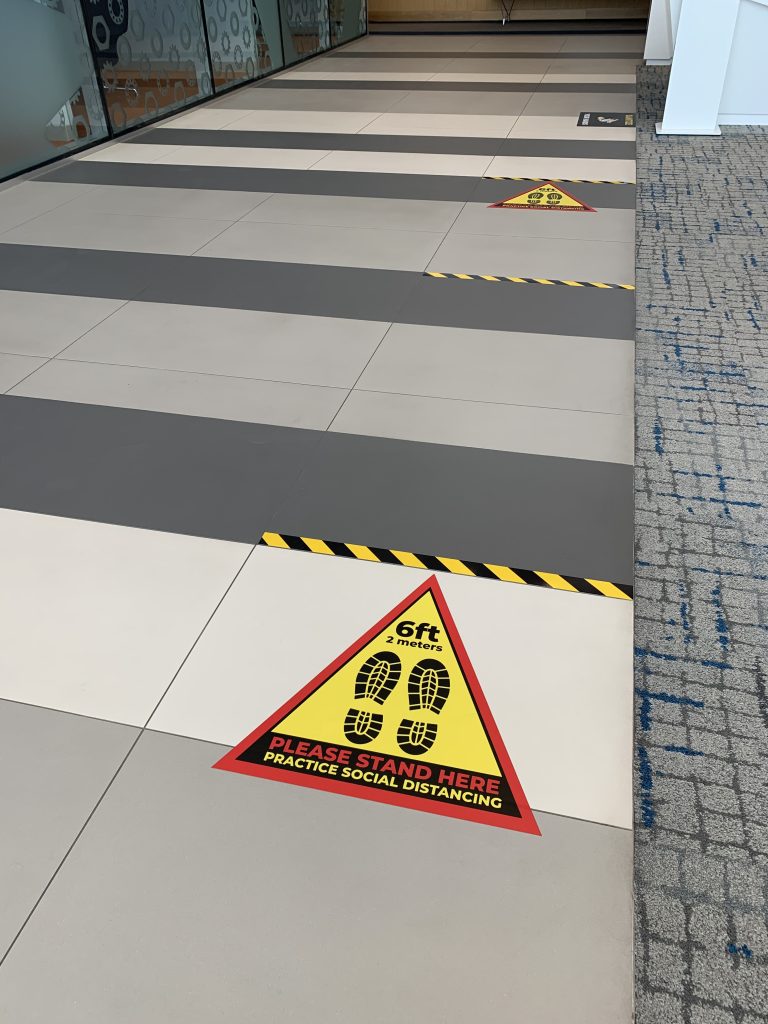
This floor graphic marks a designated six-foot safety zone, where scuffing and cleaning matter to the material choice.
8. Typical Lifespan by Application
Application
Questions that set the specification
Common life-shortening conditions
Indoor wall decals
Is the wall smooth, cured, clean and compatible with the adhesive? Will removal damage paint?
Textured or freshly painted surfaces, sunlight, cleaning and difficult removal.
Exterior flat signs
What film, print protection and rigid panel are being combined? Is the face vertical or angled?
Direct exposure, standing water, incompatible materials, poor edge sealing or installation.
Banners
How long will it hang, how will it be fastened, and what wind load will it see?
Wind stress, sharp folding, abrasion, overstretched hems or loose attachment.
Vehicle graphics
Which vehicle film and overlaminate are specified for its curves, recesses and panels?
Horizontal exposure, heat, pressure washing, neglected edges and incompatible paint.
Window graphics
Inside or outside glass? Full coverage or cut lettering? Is visibility through the glass needed?
Sun through glazing, glass coatings, frequent cleaning and film applied to the wrong side.
A large window graphic shows why the glass, viewing direction and intended visibility should be reviewed together.
9. Vinyl Lifespan by Use Case
Use case
What changes the outcome
What to confirm before ordering
Retail window or wall graphic
Film type, glass or wall surface, direct sunlight, cleaning frequency and removability.
Exact product, interior/exterior placement, visibility needs and removal method.
Printed face, rigid panel, frame or post, weather and reuse between listings.
Whether the same insert will be reused; confirm panel and fastener suitability.
Event banner
Short schedule, wind, grommet spacing, installation tension and storage.
Expected display dates, mounting points and whether wind can pass through the site.
Vehicle decals or wrap
Film/laminate match, body curves, paint condition, vehicle storage and washing.
Covered panels, warranty conditions, post-heating and maintenance instructions.
Construction fence banner
Mesh versus solid material, wind load, span and attachment spacing.
Site exposure and whether the fence/banner system is engineered for the conditions.
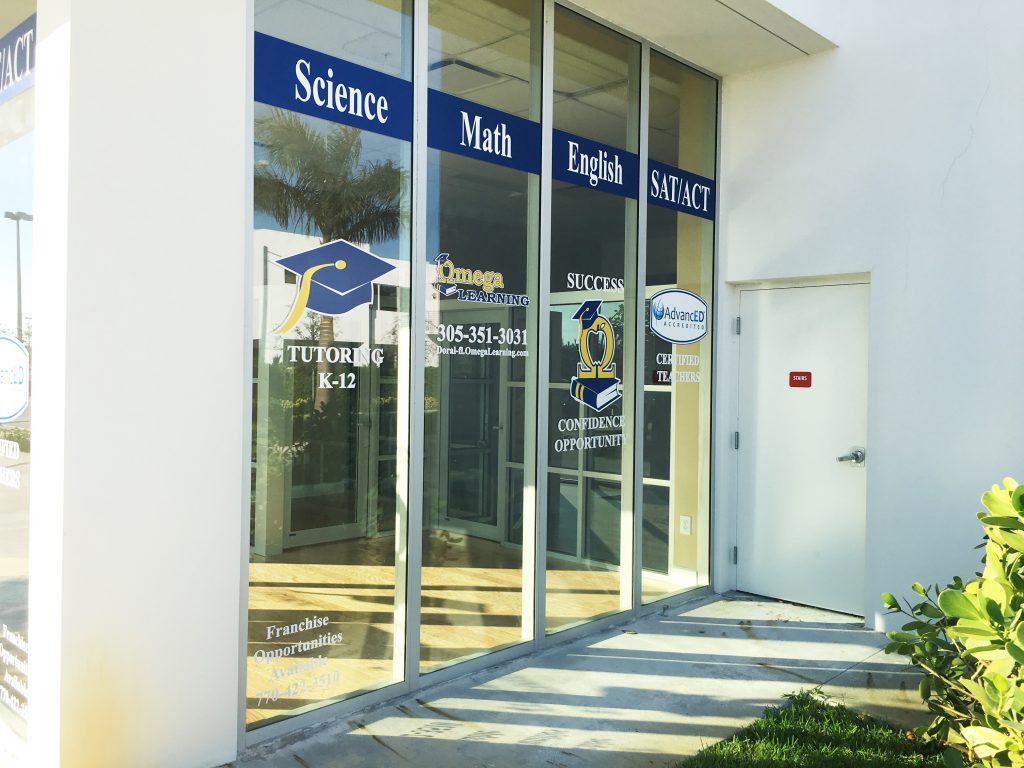
Educational window graphics are a high-visibility use of printed vinyl.A bakery uses large product graphics to make its window visible from the sidewalk.
CARE AND REPLACEMENT
Keep the sign readable for its intended life
10. Caring for and Maintaining Vinyl Signs
Keep your signs looking fresh longer with these tips:
Clean gently with mild soap and water—no abrasives
Avoid power washing unless vinyl is laminated
Park vehicles with wraps in shade whenever possible
Don’t stretch or fold banners when storing
Inspect edges periodically to prevent peeling
11. When to Replace a Fading or Damaged Sign
Inspect and plan a repair or replacement when any of these appear:
Faded or distorted colors
Peeling or bubbling edges
Cracks or brittleness in the vinyl
Curling corners or complete delamination
A loose edge can let dirt and water collect; fading, distortion or damage can make required information difficult to read. Check the intended use and site requirements before deciding whether a repair is adequate.
12. Comparison: Vinyl Signs vs Other Sign Materials
Sign construction
What affects useful life
When to compare it
Adhesive vinyl graphic
Film, ink, protection, surface, placement, cleaning and removal needs.
Temporary promotions, windows, walls, vehicles and shaped graphics.
Channel letters
Cabinet/return materials, LEDs and power components, weather sealing, mounting and service access.
Permanent storefront identification where dimensional lighting is needed.
Aluminum sign
Alloy and thickness, finish, fasteners, edge condition, mounting and exposure.
Flat rigid sign faces or panels where durability and stable mounting are priorities.
Wood sign
Wood species, sealing, joints, finish maintenance and moisture exposure.
Projects where a natural material and its maintenance needs fit the setting.
13. Vehicle Wraps and Fleet Graphics
A vehicle wrap should be specified as a matched vehicle film, printed ink and overlaminate system for the vehicle’s curves, recesses, paint and exposure. Published durability and warranty terms depend on the exact products, application and region; do not treat a generic wrap estimate as a promise for every vehicle.
Tips to extend life:
Wash gently by hand
Where practical, reduce prolonged sun exposure and rinse off contaminants according to the film maker’s care instructions.
Use garage storage or car covers
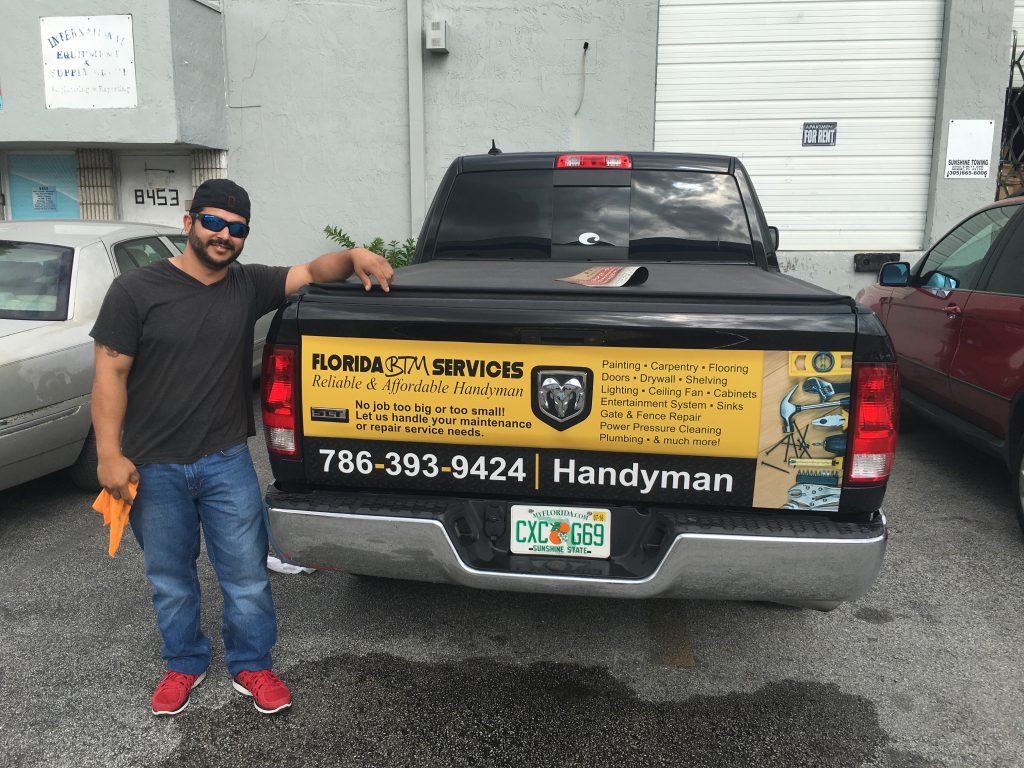
A printed tailgate graphic adds branding to this truck; a full vehicle wrap calls for film made to conform around curves and edges.
14. Weather and Climate Considerations (Especially in Miami)
In hot, humid, and sunny climates like South Florida:
A compatible overlaminate can protect a print, but the film system and exposure determine whether it is appropriate.
Choose a cast or calendered film based on the shape, surface, removal plan and product data—not as a blanket rule.
Ask for documented film and print-system guidance for the installation orientation and exposure.
Follow the product’s stated application-temperature limits and installation instructions.
Work with pros who understand local conditions (like Titans of Print!) to ensure materials are rated for extreme weather.
PROJECT PLANNING
Review the proof, installation and replacement plan
How to choose a vinyl sign that lasts for its intended job
Start with the decision the sign has to support. A two-week event banner, a retail window promotion and a multi-year fleet graphic should not share one material specification. Tell the printer the location, desired service period, viewing distance, finished dimensions and whether the sign will be removed, cleaned or moved. Those answers determine whether a temporary film, conformable cast film, printable banner stock or a rigid sign panel is the better starting point.
For adhesive graphics, the receiving surface matters as much as the film. Fresh paint, textured walls, contaminated glass, porous masonry and vehicle curves each affect adhesion and removal. Photograph the actual surface and disclose paint age or coating if known. A small test area is useful when the substrate is uncertain. Ask how the proposed adhesive behaves at removal if the property manager expects the surface to be restored later.
For an exterior sign, discuss which side faces the sun, whether the surface is shaded, how water drains and whether cleaning or abrasion is likely. In South Florida, strong sun and weather can make a nominal film rating a poor stand-in for the finished graphic’s appearance. Print, overlaminate, edge sealing where specified, installation and substrate all affect the usable result. Ask for the specific film and print combination being quoted and the manufacturer’s applicable guidance for that combination.
What to review on the proof
Finished size, legibility and the intended viewing distance.
Film or banner material, finish, print method and whether lamination is included.
Substrate, adhesive, seams, overlaps, edge treatment and installation orientation.
Expected exposure, cleaning instructions and any manufacturer warranty limitations.
Removal plan for promotions, leased spaces or vehicle graphics.
Inspect the sign before it becomes hard to read
Check a graphic after installation and periodically during use. Look at edges and seams for lifting, film for cracking or shrinkage, print for fading, and the mounting surface for trapped moisture or damage. Record where a problem starts; a lifting edge on one hot, curved panel suggests a different issue from uniform color fading across the whole sign. Cleaning should follow the film maker’s recommendations and avoid aggressive solvents or pressure at exposed edges.
Replace a sign when the message is no longer legible, the installation is coming loose, or the graphic no longer represents the business accurately. Do not wait for a failing exterior graphic to detach. If the original objective was longer use, tell the printer how and where it failed so the next specification can change. Sometimes a rigid aluminum sign or exterior building sign is a better investment than repeating an adhesive graphic on the same unsuitable surface.
How long does an unlaminated vinyl sign last outdoors? There is no reliable universal figure. The film, print, orientation, substrate, installation and exposure must be known before estimating service life.
Is lamination worth it? It can be useful where the print needs added protection, but it does not automatically double lifespan. Confirm the compatible overlaminate and what the finished system is rated or warranted to do.
What’s the best vinyl for outdoor use? It depends on the surface and geometry. Cast film is commonly considered for curves and complex contours; a suitable film for a flat panel may be different. Select from the named product data and exposure conditions.
Can vinyl signs fade? Yes. Sunlight and exposure can affect printed color. Discuss the print-and-protection system recommended for the intended location, and follow cleaning guidance.
How long do vehicle wraps last? There is no single number for every vehicle. Use the exact film and laminate manufacturer’s warranty or durability information and check that the installer follows its application and care requirements.
What shortens a vinyl sign’s life the most? Direct sun, poor adhesion, harsh cleaning chemicals, and mechanical abrasion.
NEXT STEP
Choose the right vinyl sign for the job
16. Wrap-Up: Getting the Most Out of Your Vinyl Sign
To estimate useful life, describe the job before choosing the material: the exact surface, indoor or outdoor placement, angle to the sun, target service period, cleaning and removal needs. Then compare named product guidance for the film, print, laminate and substrate that will be used. A printed material rating is a starting point for a specification—not a guarantee that every completed sign will look the same for that long.
For help choosing a build, use the quote form and include the artwork, dimensions, a photo of the installation surface, the sign’s location and your target date. Titans can review those details and recommend a suitable sign format for the intended application.